Leave Your Message
Name*
Phone number*
Email Address*
Message*
0%

Picking a China-based manufacturer for your eyeshadow concealers isn't just about finding the lowest price — there's a lot more to consider. You want someone who delivers consistent quality, communicates clearly, and keeps thorough production records. Basically, a good supplier should really get both the ins and outs of color cosmetics and what it takes to fulfill wholesale orders smoothly.

Many experienced manufacturers offer OEM and ODM support, from developing shades to coordinating packaging and controlling batches. Their technical teams can test texture, coverage, blendability, and how well the products hold up with wear. Little details matter too — a concealer should go on smoothly without dragging, and eyeshadows should build up color nicely without too much fallout. Before approving samples, it’s a smart move to test them in different lighting conditions.

Reliable factories also keep detailed records of ingredients, production processes, and quality checks. These documents are super helpful for buyers to track product consistency and plan future orders. Good communication's just as important — make sure to get everything in writing, like minimum order quantities, lead times, sample costs, packaging options, and inspection procedures, so there are no surprises or delays.

Of course, no supplier’s perfect. Even the most reliable factories can have color batch variations or face delays, especially during busy seasons. It’s totally okay to discuss these possibilities honestly. Buyers should request current samples, review test results, and if possible, visit the factory. Third-party inspections are also a great way to boost confidence before the products ship. Any manufacturer with real experience should be open to answering your questions without dodging them.

Building a solid partnership takes time. Start small, see how your customers like the products, and then refine the formula or packaging as needed. As long as you do your homework, keep cooperation transparent, and maintain consistent technical support, a China-based eyeshadow concealer manufacturer can become a trusted long-term partner — whether you’re a beauty brand, retailer, or distributor.
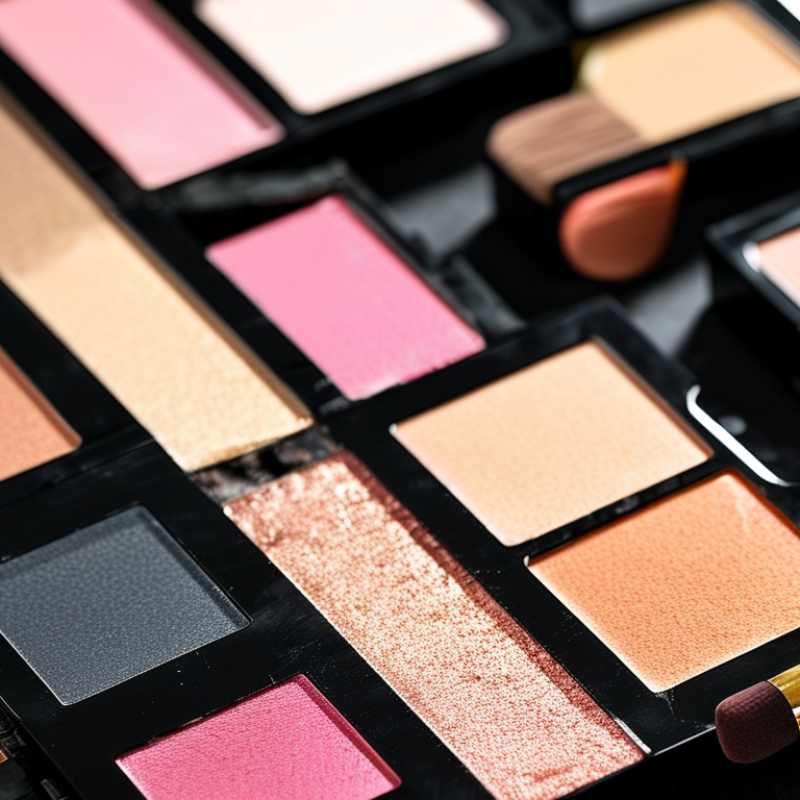
China Best Eyeshadow Concealer Manufacturer for Wholesale?

What Is an Eyeshadow Concealer and How Is It Used?

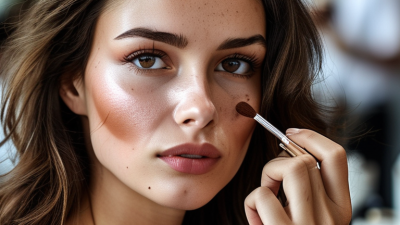
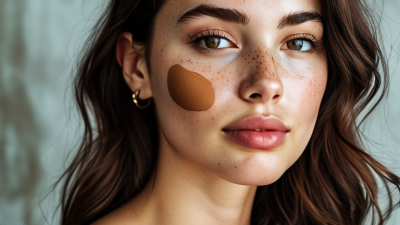
An eyeshadow concealer is usually a creamy product used to cover discoloration and prepare the eyelids. It may also brighten the eye area or create a smooth base for eyeshadow. Unlike ordinary face concealer, it is often designed for delicate eyelid skin. Some formulas dry quickly, while others remain flexible for blending.

Apply a small amount onto clean, dry eyelids. A flat brush gives even coverage, but fingertips can warm the formula and soften edges. Use a thin layer first. Too much product may crease, especially on oily eyelids.

After blending, press eyeshadow gently over the base. This can improve color intensity and help powder adhere. However, not every concealer suits every eyelid. Testing wear time in warm, humid conditions is more reliable than judging texture immediately.

Tips: Check the formula on one eyelid before wholesale selection. Observe creasing after four hours. Review ingredient safety documents, shade consistency, packaging seals, and batch records. A slightly tacky finish may support glitter, but it can make matte shadows patchy. This detail is easy to overlook. Manufacturers should also test different skin tones and eyelid conditions, because one sample cannot represent every user.

Why Choose a Chinese Manufacturer for Wholesale Eyeshadow Concealer?

Why choose a Chinese manufacturer for wholesale eyeshadow concealer? In real sourcing work, factory access can shorten communication and improve production visibility. Many manufacturers combine formulation teams, pigment suppliers, filling lines, and packing departments in one region. This setup helps buyers compare textures, shades, and minimum order quantities with fewer delays. A factory can also provide samples before bulk production. Ask for batch records, ingredient lists, stability data, and quality inspection procedures. These documents reveal more than polished sales language.

For wholesale buyers, cost matters, but consistency matters more. Chinese suppliers often support flexible shade development, including matte, satin, shimmer, and cream finishes. They can coordinate Eyeshadow Concealer and Face Concealer formats for a unified collection. Good technical teams test spreadability, crease resistance, color payoff, and packaging compatibility. Request retained samples from each batch. Small details matter. A cap that loosens in transit can damage customer trust. Experienced manufacturers usually explain testing limits instead of promising perfection.

Factory audits add another layer of confidence. Check sanitation, worker training, traceability, and corrective-action records. Confirm that product claims and documentation fit the destination market. Reliable communication should include clear timelines, sample approval steps, and written defect standards. One weakness deserves attention: not every low-cost supplier offers the same technical depth. Buyers may need more time for verification. That extra work can prevent expensive rework, delayed shipments, and uneven retail feedback.

Which Product Features Define a High-Quality Eyeshadow Concealer?

A high-quality eyeshadow concealer should create an even, smooth base without feeling heavy. The texture matters immediately. It should spread across dry eyelids, cover mild discoloration, and set without emphasizing fine lines. A balanced formula offers enough grip for powder shadow but remains comfortable during long wear. Concealer Cream with excessive oil may cause creasing, while an overly dry formula can look patchy. Neither result is ideal.

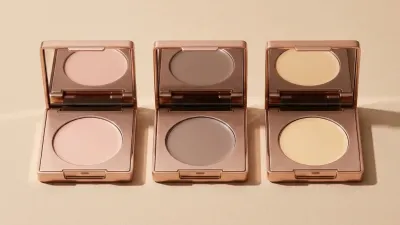
Color accuracy is equally important for wholesale buyers. A useful shade range should include fair, medium, tan, and deep undertones. Pigment should build gradually, not become thick after one layer. In practical testing, check the product under daylight, indoor lighting, and camera flash.

Water resistance, stable texture, and consistent filling weight also show stronger quality control. Still, no formula performs perfectly on every eyelid. Humidity, skin preparation, and application tools can change the result.

Tips: Ask for samples from different batches. Test the concealer after eight hours. Inspect the surface for separation, odor changes, or uneven coverage. Review ingredient details, safety documents, and quality testing records before placing a bulk order. A reliable manufacturer should explain production controls clearly, although vague answers deserve a second look.

How to Compare Chinese Eyeshadow Concealer Manufacturers

How to Compare Chinese Eyeshadow Concealer Manufacturers

When comparing Chinese eyeshadow concealer manufacturers, begin with measurable evidence, not polished catalogs. McKinsey’s 2023 beauty report projects roughly 6% annual global beauty growth through 2027. That growth increases supplier competition and makes verification more important. Request factory licenses, quality certificates, ingredient specifications, and recent batch records. A reliable manufacturer should explain pigment dispersion, preservative control, and shade stability in clear language.

Order samples from at least three factories. Test the Concealer Stick after opening, blending, and eight hours of wear. Check whether the cream separates, creases, or changes color under warm lighting. Ask for accelerated stability data, microbiological results, and packaging compatibility tests. ISO 22716-based production controls can indicate stronger cosmetic manufacturing discipline, but certification alone is not proof of daily consistency. Inspect the production line through a live video call or an independent audit.

Compare minimum order quantities, lead times, correction policies, and carton protection. Circana reported that U.S. prestige beauty sales increased 8% in 2023, showing continued demand for higher-value cosmetics. However, demand figures do not guarantee your supplier’s performance. One overlooked detail is shade repeatability between sample and mass production. It deserves a written tolerance range. Some evaluations become too focused on price. That is a mistake, though I still find low cost tempting. Request pilot production before committing to wholesale volume.

China Best Eyeshadow Concealer Manufacturer for Wholesale? - How to Compare Chinese Eyeshadow Concealer Manufacturers

Comparison Dimension Typical Wholesale Benchmark What to Verify Why It Matters
Product Category Powder eyeshadow, cream eyeshadow, liquid concealer, or cream concealer with clearly defined specifications. Confirm texture, finish, coverage, shade range, skin-feel requirements, and intended market. Different formats require different filling, stability, packaging, and testing capabilities.
Minimum Order Quantity Common private-label starting quantities may range from approximately 500 to 5,000 units per shade or SKU. Ask whether MOQ applies per shade, per formula, per package, or to the total order. A lower practical MOQ reduces inventory risk when testing new shades or markets.
Sample Development Initial samples are often available within approximately 7–20 business days, depending on customization. Check sample fees, revision limits, shade-matching process, and whether final bulk samples are approved before production. A documented approval process helps prevent color, texture, and packaging disputes.
Bulk Production Lead Time Approximately 25–60 calendar days after artwork, formula, packaging, and deposit approval. Separate formula lead time, component lead time, filling time, inspection time, and shipping time. A realistic schedule is essential for launches, promotions, and seasonal inventory planning.
Formula Customization Customization may include pigment intensity, coverage, finish, fragrance-free options, preservatives, and ingredient restrictions. Request the ingredient list, formula ownership terms, change-control procedure, and compatibility test results. Customization affects differentiation, regulatory compliance, cost, and time to market.
Shade Consistency Color should be approved against a retained reference sample under consistent lighting and evaluation conditions. Confirm batch color-control records, pigment tolerance criteria, and retained samples for every production lot. Shade variation can create customer complaints and increase returns.
Safety and Quality Testing Testing may include microbiological analysis, stability testing, heavy-metal risk assessment, packaging compatibility, and preservative evaluation where applicable. Request recent reports, test methods, laboratory details, sample numbers, and product-to-report traceability. Testing evidence supports product safety and helps satisfy importer or authority requirements.
Manufacturing Quality System A documented cosmetic GMP system, batch records, sanitation procedures, training records, and complaint handling should be available. Verify the scope and validity of applicable certifications or audit reports rather than relying on logos alone. Consistent procedures reduce production errors and improve traceability.
Packaging Compatibility Packaging should be tested for leakage, breakage, closure performance, component interaction, and transport conditions. Ask for compatibility results using the actual formula and final packaging, not only empty component samples. Incompatible packaging can cause leakage, drying, cracking, contamination, or color changes.
Shelf-Life Evidence Many cosmetic products are evaluated through accelerated and/or real-time stability programs; the final period depends on formula and packaging. Confirm the proposed shelf life, PAO symbol requirements, storage conditions, and stability protocol. Shelf-life information supports labeling, warehousing, and customer-use expectations.
Regulatory Documentation Typical documentation may include full ingredient declarations, product specifications, certificates of analysis, safety information, and manufacturing records. Match the documentation to the destination market, including labeling, restricted ingredients, claims, and responsible-person obligations. Importers remain responsible for meeting the legal requirements of the selling market.
Packaging and Artwork Support Support may include dielines, decoration options, label printing, color matching, inserts, and carton development. Confirm artwork file formats, print proof approval, decoration tolerances, barcode handling, and packaging MOQ. Clear artwork control prevents costly reprints and incorrect labeling.
Quality Inspection A written inspection plan should cover appearance, fill weight, shade, closure, labeling, carton condition, and quantity. Agree on acceptance criteria, inspection timing, sampling level, corrective-action process, and independent inspection rights. Defined acceptance standards make quality decisions measurable and consistent.
Commercial Terms Common quotations should identify unit price, tooling, sampling, packaging, payment terms, production timing, and applicable trade terms. Compare total landed cost rather than unit price alone, including freight, duties, testing, molds, and artwork. The lowest factory price may not be the lowest overall purchasing cost.
Export and Logistics Capability The supplier should provide export documentation, carton specifications, packing lists, and shipment coordination suitable for the destination. Confirm shipping marks, carton drop-test requirements, palletization, insurance responsibility, and dangerous-goods classification if applicable. Proper logistics preparation reduces customs delays and transit damage.
Communication and After-Sales Service A reliable supplier should provide a clear project contact, response schedule, order updates, complaint handling, and corrective-action reports. Evaluate response quality during sampling and request references to documented service procedures without relying on promotional claims. Good communication reduces delays and supports faster resolution of quality or delivery issues.

Note: The figures shown are indicative wholesale benchmarks for comparison only. Actual MOQ, pricing, lead time, testing scope, and regulatory documentation vary by formula, packaging, order quantity, and destination market.

What Is the Wholesale Manufacturing and Customization Process?

China Best Eyeshadow Concealer Manufacturer for Wholesale?

The wholesale process starts with a clear product brief. Share the target shades, finish, coverage, texture, package style, and expected order volume. An experienced manufacturer can then recommend suitable pigments, bases, applicators, and container materials. Development usually begins with a formula review and laboratory sample. The sample is tested for blendability, coverage, wear, and shade consistency. It should also be checked against documented safety and labeling requirements in the target markets.

Customization follows several practical stages. After approving the formula, the buyer confirms color standards, decoration methods, carton artwork, and filling details. Small pilot batches help identify problems before mass production. A reliable factory should provide batch records, raw material information, inspection reports, and production timelines. Quality checks may include weight testing, appearance inspection, packaging assembly, and stability observation. A perfect first sample is uncommon. Adjustments are normal, and rushed approvals can create expensive mistakes later.

Tips: Request physical samples, not only digital color images. Confirm the minimum order quantity, sample fees, revision limits, and lead time in writing. Ask how rejected units are handled. Visit the production site when possible, or arrange independent inspection. Even experienced buyers sometimes overlook carton dimensions or shade changes after filling. That small detail can delay shipping and damage customer trust.

How Are Safety, Quality, and Regulatory Standards Verified?

China Best Eyeshadow Concealer Manufacturer for Wholesale?

Choosing a wholesale eyeshadow and Long Wear Concealer manufacturer requires more than reviewing product photos. Safety verification should begin with ingredient documentation, supplier qualification, and batch-level traceability. Ask for current certificates of analysis, microbial testing, heavy-metal screening, and stability results. Each report should identify the tested formula, batch number, laboratory, and test date.

Quality checks should continue during production. A reliable factory records filling temperatures, mixing times, shade measurements, and packaging inspections. Samples from the beginning, middle, and end of a production run can reveal uneven color or texture. Independent laboratory testing adds credibility, especially for eye-area products. In-person audits also help verify hygiene controls, trained staff, equipment maintenance, and clean storage conditions. The details matter.

Regulatory compliance depends on the destination market. Manufacturers should provide an ingredient list using accepted naming conventions, safety assessments, product specifications, and manufacturing records. Packaging claims must match available evidence. For example, “long wear” should be supported by a defined wear test, not only customer comments. Documentation can look complete and still contain gaps. I have seen quality reviews miss outdated formulas or unsigned test reports. That is why buyers should compare the approved sample, production batch, and final label before shipment. Photographs are useful, but physical inspection remains more convincing.

Matte Concealer Cream OEM: Market Opportunities Highlighted by Grand View Research’s Cosmetics Report

The matte concealer cream category is gaining attention as beauty consumers seek makeup that combines coverage, comfort, and skincare-inspired performance. Grand View Research’s cosmetics market analysis places the global cosmetics industry at more than US$350 billion in 2023 and anticipates continued mid-single-digit growth through 2030. This expansion is supported by premiumization, multifunctional formulations, and increasing demand for products that deliver professional results at home. For OEM and private-label buyers, these trends create opportunities to develop differentiated complexion products with clear technical advantages.

This concealer cream is formulated with Ultra-High Pressure Homogenization Technology, which encapsulates camouflage pigments within a liquid crystal matrix. When applied, the matrix activates a rapid release process that distributes moisture and pigments across the skin, helping create a fuller, smoother visual effect while reducing the cracking and flaking often associated with traditional matte bases. Its balanced hydration profile and radiant matte appearance address the growing preference for long-wearing makeup that does not feel heavy or dry. The zero-gravity sensation, high-definition finish, and customizable OEM positioning make it suitable for professional clients targeting premium complexion, hybrid makeup, and performance-focused beauty segments.

FAQS

: Why choose a Chinese manufacturer for wholesale eyeshadow concealer?

: Many factories combine formulation, pigment sourcing, filling, and packaging in one region. This can shorten communication and improve production visibility. Fewer delays may occur. However, factory quality varies, so verification remains necessary.

What documents should buyers request before placing a bulk order?

Request ingredient lists, batch records, stability data, and inspection procedures. These records show production control more clearly than attractive sales language. Ask for safety documents and written defect standards. Missing documents deserve careful review.

Can manufacturers provide customized shades and finishes?

Many suppliers support matte, satin, shimmer, and cream finishes. They may develop fair, medium, tan, and deep undertones. Ask for shade samples under daylight, indoor light, and camera flash. Color can look different.

What texture should a high-quality eyeshadow concealer have?

It should spread smoothly across dry eyelids without feeling heavy. The formula should cover mild discoloration and support powder eyeshadow. It should set without highlighting fine lines. Very oily formulas may crease. Very dry formulas may look patchy.

How can buyers test product performance?

Test samples after eight hours of wear. Check spreadability, coverage, crease resistance, and comfort. Inspect the surface for separation or unusual odor changes. Application tools and skin preparation can alter results. No formula suits every eyelid.

Why are retained samples important?

Retained samples allow buyers to compare future batches with approved products. Check color, texture, filling weight, and coverage consistency. A loose cap can cause leakage during transit. Small details matter.

What should a factory audit examine?

Review sanitation, worker training, traceability, and corrective-action records. Inspect production areas and confirm documented procedures. Ask how defects are recorded and corrected. A polished facility is not enough.

How can buyers reduce delays and costly rework?

Confirm timelines, sample approval steps, packaging compatibility, and defect standards in writing. Approve samples before bulk production begins. Check that product claims and documents fit the destination market. Low prices can hide weak technical support. More verification may be worthwhile.

Conclusion

Choosing the right Eyeshadow Concealer manufacturer is essential for wholesalers seeking reliable quality, competitive pricing, and flexible product options. This article explains what an Eyeshadow Concealer is, how it can prepare, brighten, and smooth the eyelid area, and which features indicate a high-quality formula, including blendability, comfortable wear, suitable coverage, texture, shade consistency, and packaging performance. It also explores why Chinese manufacturers are often considered for wholesale sourcing, particularly because of their production capacity, customization flexibility, supply chain efficiency, and ability to support different order volumes.

Readers will also learn how to compare manufacturers by reviewing samples, production capabilities, certifications, quality control systems, minimum order quantities, lead times, and communication standards. The wholesale process typically includes product selection, formula or packaging customization, sampling, testing, production, inspection, and delivery. Finally, the article highlights the importance of verifying ingredient safety, stability, manufacturing hygiene, documentation, and compliance with the regulations of the target market before placing a large order.
Emily

Emily

Emily is a dedicated marketing professional with a keen understanding of the cosmetics industry. With years of experience under her belt, she excels at communicating the innovations and competitive advantages of her company, which operates two major research and development centers. Emily's......
Previous How to Source Color Cosmetics for Global Markets?