Leave Your Message
Name*
Phone number*
Email Address*
Message*
0%

Picking a Blush Stick manufacturer isn’t just about flipping through their catalog photos. For folks around the world looking to source privately or on contract, it’s crucial to dig a little deeper. You’ll want to evaluate the quality, manufacturing capacity, how easy it is to communicate, and what kind of documentation they provide. Sure, a quick swipe on your hand can give you a sense of the color and texture, but it won’t tell you much about how the formula wears over time, whether the shade stays consistent, or how it performs on different skin types. Those small details really do matter in the end.

So, this guide introduces ten manufacturers worth considering if you're exploring private label or contract manufacturing options. We look at practical stuff like the textures they offer, packaging options, support for custom formulations, and how strict their quality control is. While these points can help you cut down your options, nothing beats checking things out firsthand. Ask for current specs, test samples in natural light, and find out how they inspect batches. If they give clear, straightforward answers? That’s usually a good sign.

Of course, not every supplier will be the perfect fit for your brand. Some might have a wider range of formulation options, while others could be better suited for smaller initial orders or simpler packaging. It’s smart to ask about minimum order quantities, how long it takes to get samples, production timelines, and their process for managing changes — and then, get all these details in writing. Yup, it takes some time, but it’s worth it.

The idea of a “Top 10” list is just a starting point, not some final ranking that suits everyone. Capabilities can evolve, and having a fancy website doesn’t automatically mean they’re reliable. It’s important to verify certifications and product claims directly with the manufacturer, or even with an independent expert if needed. Doing your homework helps set realistic expectations and makes conversations more focused — discussing the finish, how the color pops, how firm the stick feels, and whether the cap fits snugly are all tangible checks instead of empty promises of a perfect product.
China Top 10 Blush Stick Manufacturers for Global Buyers

What Blush Sticks Are and How They Are Used

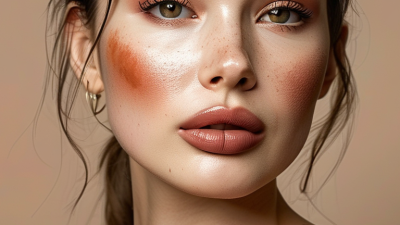
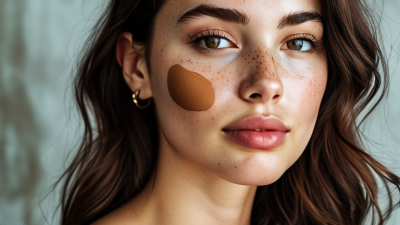
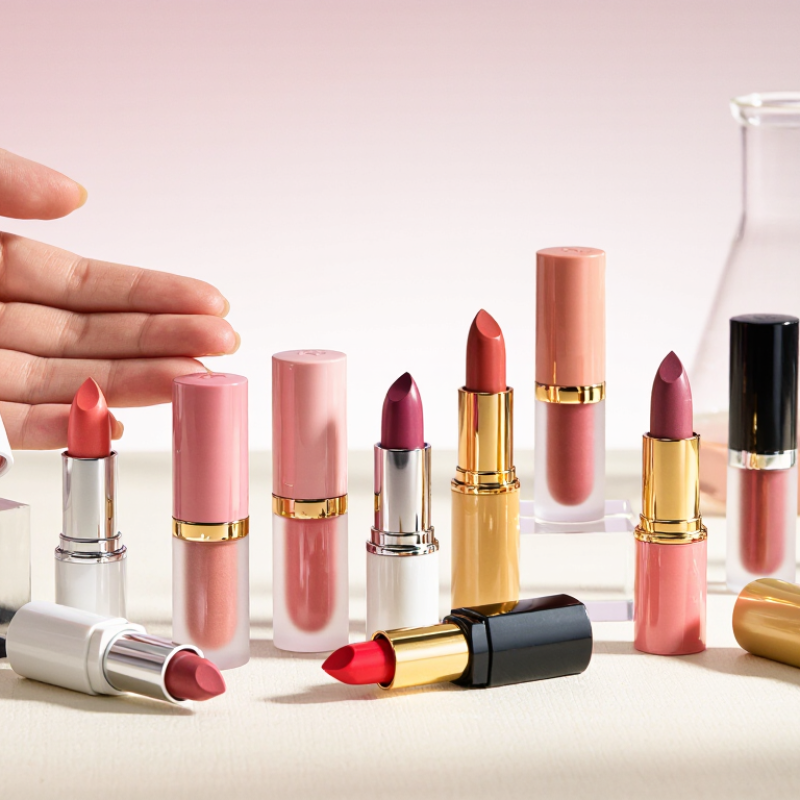
A blush stick is a solid color cosmetic designed for direct application on the cheeks. Its compact format usually combines pigments, oils, waxes, and emollients. A Cream Blush Stick offers a softer, more blendable finish than many powder formulas. It can create a fresh glow without requiring a brush.

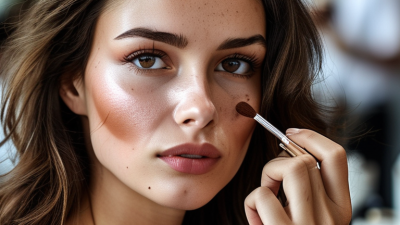
Apply the stick lightly to the apples of your cheeks or along the cheekbone. Three small dots are often enough. Blend with clean fingertips, a sponge, or a dense brush. Warm skin helps the product spread smoothly. For stronger color, build thin layers instead of pressing heavily. I once applied too much at the center of my cheek. The result looked uneven and difficult to soften.

Before choosing a blush stick, check its texture, color payoff, packaging stability, and ingredient documentation. A reliable manufacturer should provide consistent batch samples and clear usage guidance. Buyers should also test the product on different skin tones and under varied lighting. Some shades appear brighter outdoors than indoors. That detail is easy to overlook. Cream formulas may also react differently to skincare products, so compatibility testing matters. A small amount of controlled testing can prevent costly misunderstandings during bulk purchasing.

China’s Blush Stick Manufacturing Landscape

China’s blush stick manufacturing landscape is moving from basic private-label production toward formula engineering and tighter quality control. Grand View Research valued the global color cosmetics market at approximately USD 70 billion in 2023, with facial makeup remaining a major category. This demand encourages Chinese factories to develop cream, balm, and hybrid blush formats for overseas buyers.

Production clusters in Guangdong, Zhejiang, and Jiangsu offer different strengths. Guangdong facilities often provide faster packaging coordination and mature export experience. Zhejiang manufacturers may focus more on formulation development and flexible batch sizes. In practical audits, buyers should inspect heated filling lines, pigment dispersion, mold cleanliness, and the temperature of warehouse storage. A blush stick can look smooth in a sample but drag across the cheek after transport.

Statista Market Insights continues to identify China as one of the largest cosmetics markets worldwide, supporting strong domestic testing and sourcing capabilities. However, factory scale alone proves little. Buyers should request stability records, microbial test results, ingredient documentation, and batch traceability. ISO 22716-based procedures are useful, although certification does not replace an on-site review. I have seen specifications fail because the stick softened in warm shipping conditions. That small detail matters. Packaging fit, twist-up performance, and color consistency also deserve repeated checks before mass production.

China Top 10 Blush Stick Manufacturers for Global Buyers - China’s Blush Stick Manufacturing Landscape

A buyer-focused overview of common manufacturing capabilities and checks. The rows describe sourcing considerations, not ranked or individually verified manufacturers.

No. Buyer Evaluation Area Common Capability or Product Detail What Global Buyers Should Verify
1 Formula development Cream and balm-style sticks commonly use oils, waxes, emollients, pigments, and other permitted cosmetic ingredients. Request the full ingredient list, formula ownership terms, stability data, and confirmation that ingredients meet the destination market’s rules.
2 Shade development Suppliers may develop shades using approved colorants and provide lab samples for evaluation before bulk production. Approve physical samples under consistent lighting and confirm colorant suitability for the intended product area and sales markets.
3 Product formats Blush sticks are typically packaged in twist-up tubes; packaging, stick dimensions, and net contents vary by design. Check the mechanism, component materials, fill weight, cap fit, product retraction, and compatibility between formula and packaging.
4 Manufacturing location China has cosmetics manufacturing and packaging activity in multiple regions, including Guangdong and Zhejiang; capabilities differ by facility. Confirm the actual production site, which processes are performed there, and whether subcontractors are involved.
5 Quality management ISO 22716 provides guidelines for good manufacturing practices for cosmetics; certification status should be checked for each site. Ask for current certificates, their scope and issuing body, and relevant quality procedures for production and batch release.
6 Product testing Testing plans may include stability, packaging compatibility, microbiological quality, and assessments appropriate to the specific formula. Review test methods, results, sample details, and whether the testing supports the intended shelf life and market requirements.
7 Regulatory documentation Requirements differ by destination. For example, cosmetics placed on the EU market are subject to Regulation (EC) No 1223/2009. Confirm who prepares market-specific documents and verify labeling, ingredient, notification, and responsible-person obligations independently.
8 Packaging customization Customization can include color, decoration, labeling, and component selection, subject to tooling, materials, and order terms. Clarify tooling ownership, artwork approval, minimum order quantities, packaging lead times, and change-control procedures.
9 Production planning Lead time and minimum order quantity depend on formula readiness, component availability, decoration, and production scheduling. Obtain a written quotation covering sample timing, production lead time, order quantity, payment terms, and inspection arrangements.
10 Export readiness Export support may include product specifications, ingredient documentation, packing lists, and shipping coordination; service levels vary. Confirm document accuracy, carton and labeling requirements, shipping responsibilities, and any destination-specific import obligations.

How to Evaluate Chinese Blush Stick Manufacturers

China Top 10 Blush Stick Manufacturers for Global Buyers

Evaluating a Chinese blush stick manufacturer requires more than checking product photos. McKinsey’s 2023 beauty report estimates that the global beauty market may reach about $590 billion by 2028. This growth increases pressure on suppliers to deliver consistent quality, not just attractive packaging. Request ISO 22716 or equivalent GMP evidence, recent audit records, and batch traceability documents. Ask how pigments, waxes, oils, and preservatives are tested before production.

Review the manufacturer’s technical process in detail. A reliable supplier should provide stability testing, microbial testing, compatibility results, and clear INCI documentation. Check whether the stick remains smooth after heat exposure and repeated opening. Packaging should not crack, leak, or transfer odor during transport. Grand View Research identifies color cosmetics as a major beauty segment, but market demand alone does not prove factory capability. Request samples from different batches. One sample can hide production variation. I have seen polished factory presentations create false confidence; physical evidence still matters.

Tips: Compare at least three suppliers using the same checklist. Confirm minimum order quantities, lead times, defect handling, and artwork approval procedures in writing. Ask for a live production video or an independent factory audit. Do not rely only on certificates. They may be valid but outdated. Also review the manufacturer’s response speed and technical clarity. Weak communication often becomes a larger problem during scale-up. A small pilot order can reveal filling accuracy, shade consistency, and packaging durability before a larger commitment.

Profiles of 10 Blush Stick Manufacturers in China

China Top 10 Blush Stick Manufacturers for Global Buyers

The ten manufacturer profiles highlight different strengths in China’s blush stick sector. Some focus on creamy formulas with buildable color. Others specialize in private-label development, low minimum orders, or high-volume production. A reliable factory should provide an ingredient list, shade samples, batch records, and stability testing. These documents help buyers compare claims with actual production practices. During sample reviews, check the stick’s glide, pigment balance, scent, and surface finish. A good Makeup Stick should apply evenly without dragging across dry skin. Packaging also matters. Twist-up tubes, protective caps, and clean label printing reduce problems during shipping. One detail is often missed: test the product after several weeks, not only on the first day.

Tips: Request samples from several profiles and use the same testing method. Record application feel, color payoff, wear time, and package performance. Ask whether the manufacturer can support formula adjustments and provide production photos. Confirm factory qualifications through current documents, not screenshots alone.

The profiles also show differences in technical communication. Strong suppliers explain wax selection, oil ratios, pigment dispersion, and filling temperatures clearly. They can discuss how formulas behave in hot containers or cold warehouses. Buyers should review safety assessments and market-specific compliance requirements before placing an order. Production scale is not the only measure of reliability. Smaller facilities may offer closer development support, but their lead times can change during busy seasons. That weakness deserves attention. Clear contracts, approved samples, inspection points, and traceable batch coding create better control. A thoughtful supplier comparison may take longer, yet it can prevent costly reformulation and packaging waste.

OEM and ODM Services for Global Beauty Brands

China Top 10 Blush Stick Manufacturers for Global Buyers

OEM and ODM services help global beauty brands turn a blush concept into a retail-ready product. McKinsey’s 2023 beauty report estimates that the global beauty market may reach $580 billion by 2027. This growth increases demand for flexible color cosmetics manufacturing.

Experienced Chinese manufacturers can support shade development, formula adjustment, packaging design, and mass production. For blush sticks, they should test pigment dispersion, glide, pay-off, wear, and heat stability. A soft cream texture must not melt inside a warm delivery truck. ODM teams can also develop matching Lip Gloss Stick collections for coordinated launches. Reliable suppliers normally provide batch records, ingredient documentation, and stability data. ISO 22716-based quality systems add useful process control, but certification alone does not prove every product performs well.

Tips: Request three sample rounds. Compare color under daylight and retail lighting. Check twist-up packaging after repeated use. Ask for microbiological and stability reports. Confirm export documents before placing a deposit.

McKinsey also reports that consumers increasingly value product quality, wellness, and digital discovery. This makes transparent OEM and ODM communication more important. A strong supplier explains minimum order quantities, mold fees, lead times, and revision limits clearly. In practical sourcing reviews, small details often expose larger risks. For example, an uneven stick surface may signal poor cooling control. A perfect first sample is not always reassuring. It may deserve more questions, not fewer.

Quality Standards and Compliance for Export Markets

China Top 10 Blush Stick Manufacturers for Global Buyers

Quality Standards and Compliance for Export Markets

Reliable blush stick manufacturers should treat compliance as a daily production practice, not a certificate on a website. Buyers should request ISO 22716-based manufacturing records, ingredient specifications, batch traceability, and microbiological test results. Each formula needs a clear INCI list and market-specific safety assessment. Requirements can differ between the European Union, the United States, and other regions. The same applies to an Eyeshadow Stick.

During supplier audits, inspect filling lines, storage temperatures, and cleaning logs. A finished blush stick should show consistent weight, shade, glide, and adhesion. Stability testing should cover heat, cold, light, and repeated opening. Check packaging claims carefully. “Long-lasting” and “Sensitive skin” need supporting evidence. A certificate alone is not enough. That mistake still appears in many purchasing files.

Tips: Ask for recent batch records, not only sample documents. Compare the sample with the mass-production unit. Check the lot code, expiry format, outer carton language, and tamper protection. Confirm whether the manufacturer supports destination-market registration and product information files. Independent laboratory testing can reveal gaps before shipment. However, testing every risk is difficult. Buyers should review their checklist after each production issue and improve it.

China Top 10 Blush Stick Manufacturers for Global Buyers - Quality Standards and Compliance for Export Markets

This chart presents the microbiological quality benchmarks described in ISO 17516 for cosmetic products. Category 1 products, including cosmetics used around the eyes or on mucous membranes, have a maximum total aerobic microbial count of 500 CFU/g or mL. Category 2 products, which generally include face products such as blush sticks, have a maximum limit of 1,000 CFU/g or mL. Specified pathogens must be absent in the tested sample.

How Global Buyers Can Compare Suppliers and Select a Partner

When comparing China’s top blush stick manufacturers, global buyers should inspect more than catalogs and factory photos. Request product samples from the same formula brief. Compare color payoff, blendability, scent, wear time, and stick stability under warm storage. A sample that looks excellent on day one may soften during shipping.

Ask each supplier for production capacity, minimum order quantity, lead time, and batch consistency records. Review ingredient documentation, safety testing, packaging specifications, and traceability procedures. Verify whether the factory can support your target market’s cosmetic requirements. Clear records matter more than impressive claims. Request a small pilot order before approving full production.

Visit the facility when possible, or arrange a live video audit. Check filling equipment, hygiene controls, warehouse temperature, and labeling workflow. Speak with the quality manager, not only the sales representative. Communication speed is useful, but accurate answers are more valuable. A polished factory tour can still mislead. I would score suppliers in a simple table, then record evidence beside every score. This prevents low prices from hiding weak quality controls. Payment terms, defect handling, artwork changes, and ownership of custom formulas also deserve written agreements. Some buyers overlook after-sales support because the first samples seem perfect. That is a costly assumption. Select the partner that provides consistent evidence, realistic promises, and practical solutions when production problems appear.

FAQS

What can Chinese blush stick manufacturers provide?

Many factories offer formula development, shade matching, packaging design, and mass production. OEM and ODM services support different project stages. Capabilities vary.

Which production regions should buyers consider?

Guangdong often supports fast packaging coordination and export experience. Zhejiang may offer formula development and flexible batch sizes. Jiangsu also provides manufacturing options. Regional strengths are not guarantees.

How should buyers test a blush stick sample?

Compare glide, color payoff, blendability, scent, and wear time. Test samples in daylight and retail lighting. Repeat the twist-up mechanism several times. Small details matter.

Why is heat stability important?

A cream stick may soften inside a warm delivery truck. Test storage under elevated temperatures before mass production. Check whether the stick drags after transport. Not always predictable.

What quality documents should buyers request?

Request stability records, microbial test results, ingredient documents, and batch traceability records. Packaging specifications also need review. Keep every document organized.

Is an ISO 22716-based system enough?

It can improve process control and hygiene procedures. However, certification does not replace factory inspection or product testing. Ask for evidence from your actual formula.

What should a factory audit include?

Inspect filling equipment, pigment dispersion, mold cleanliness, warehouse temperature, and labeling workflows. Speak with the quality manager directly. Photos alone are weak evidence.

How can buyers compare suppliers fairly?

Give each supplier the same formula brief and compare samples consistently. Record capacity, minimum order quantity, lead time, and defect handling. A simple scoring table helps. Low prices can hide problems.

What should be written into the supplier agreement?

Confirm payment terms, mold fees, artwork revisions, formula ownership, delivery timing, and defect remedies. Clarify after-sales support before production starts. Ask again when details seem vague.

Conclusion

This guide introduces the Blush Stick as a convenient, portable makeup format designed for direct application, blending, and buildable color. It explains how these products fit into modern beauty routines and examines China’s manufacturing landscape, including production capabilities, packaging options, formulation development, and supply chain advantages. Readers will also learn how to evaluate manufacturers by reviewing product quality, technical expertise, communication, production capacity, and consistency.

The article profiles ten types of Chinese blush stick manufacturers without promoting specific brands, highlighting the services and strengths global buyers should assess. It also discusses OEM and ODM cooperation, private-label development, export documentation, quality control, product testing, and compliance requirements for different markets. Finally, it provides a practical framework for comparing suppliers, requesting samples, reviewing quotations, confirming minimum order quantities, and selecting a dependable long-term manufacturing partner.
Emily

Emily

Emily is a dedicated marketing professional with a keen understanding of the cosmetics industry. With years of experience under her belt, she excels at communicating the innovations and competitive advantages of her company, which operates two major research and development centers. Emily's......
Previous 10 Best Makeup Base Suppliers for Global Buyers?