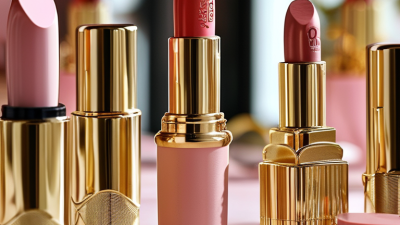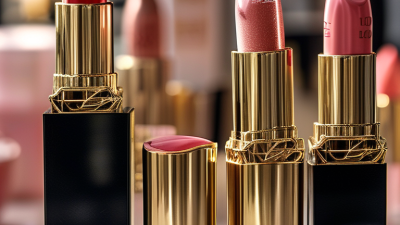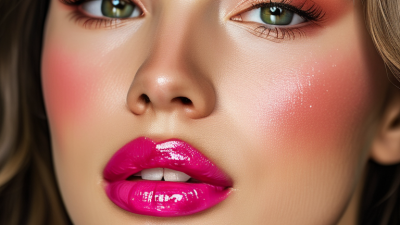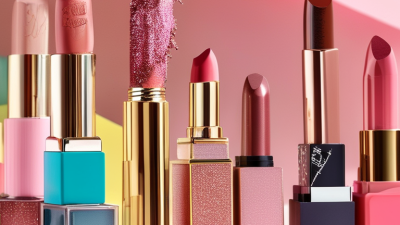
Picking out the best Blush Stick for wholesale isn’t just about choosing pretty colors. You gotta do some practical testing, really evaluate your suppliers, and get a good read on what your customers actually like. Honestly, it’s a bit more involved than just picking something that looks nice in the box.
Makeup legend Bobbi Brown once said, “Blush is the quickest way to look more awake and refreshed,” and honestly, that’s why this little product still holds its ground in pretty much every retail space. If you want a wholesale blush stick that really impresses, it needs to go on smoothly, blend beautifully without leaving patchy spots, and feel comfortable on the skin. Don't forget to test it on different skin types—dry, textured, and those with warmer or cooler undertones. A shade that looks perfect under kind of harsh showroom lights might turn out way too orange outside in natural daylight.
And hey, packaging matters just as much. Take a good look at the cap, the twist mechanism, the label clarity, and whether it holds up under storage conditions—especially resisting melting if it gets warm. Retailers need products that can withstand delivery, demonstrations, and lots of handling without falling apart.
Also, don’t just go for the cheapest option. It’s tempting, I know, but a reliable supplier should give you clear info about ingredients, batch numbers, and a consistent track record. Ask about minimum order quantities and lead times too—that way you’re not left hanging when you need to restock. Sometimes, those tiny details can secretly eat into your profit margins.
When it comes to shades, don’t just wing it. Check out sales numbers, get feedback from customers, and consider regional preferences. You don’t need a thousand shades—focusing on favorites like nude peach, soft rose, berry, or warm coral might be better. Different crowds want different vibes.
And hey, it’s totally okay to be a bit skeptical. Sure, a creamy blush might feel super luxe, but if it sits in a hot warehouse, it might turn into a hot mess. Conversely, matte formulas tend to last longer but can highlight dry patches. Neither is perfect across the board, so testing is key.
Bottom line? For those buying wholesale, it’s all about finding that sweet spot between how it looks, how it performs, the packaging quality, and a supply chain you can count on. Take your time—test everything thoroughly, compare options openly, and let real users give their honest feedback before making big decisions.
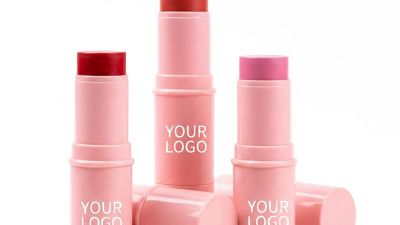
A wholesale blush stick should solve a clear customer problem. Decide whether it supports quick daily makeup, professional kits, or travel routines. A Cream Blush Stick suits buyers who want soft color without brushes. However, its texture must match the intended user. A sheer formula may attract beginners, while buildable coverage may serve makeup artists and experienced customers.
Study the target market before selecting shades and packaging. Younger shoppers may prefer fresh pinks, peach tones, and compact tubes. Mature customers may value blendability, comfort, and a natural finish.
Retailers also need practical details, including shelf stability, ingredient documentation, and packaging that resists heat during delivery. In sampling work, a shade can look perfect under studio lights but appear too orange outdoors. That mistake is easy to overlook.
Tips: Test samples on several skin tones and under different lighting. Check whether the stick blends smoothly over powder and liquid foundations. Ask retailers about their customers’ preferred finishes. Keep the first order focused, but offer enough shade variety. A six-shade range may look efficient, yet it can leave important undertones uncovered. Review feedback after launch, even when the results feel disappointing. Product decisions should change when real users reveal problems.
How to Choose the Best Blush Stick for Wholesale?
Formula, finish, and skin compatibility should guide every wholesale decision. McKinsey’s 2023 beauty report forecasts the global beauty market may reach $590 billion by 2030. That growth increases competition, but not every blush stick deserves shelf space.
Cream formulas usually blend easily over dry or mature skin. They create a soft, fresh appearance. Balm formulas feel richer and may suit customers seeking comfort. Powder-cream hybrids can improve wear in humid conditions, although they may emphasize flaky areas. Finishes also matter. Satin looks natural under office lighting. Matte suits oily skin but can appear flat. Shimmer attracts attention, yet visible particles may disappoint customers with textured skin. According to Grand View Research, the global color cosmetics market was valued at over $80 billion in 2023, showing the scale of demand for varied makeup preferences. Still, broad demand does not guarantee repeat purchases.
Tips: Test each shade on dry, oily, and combination skin. Check blending after ten minutes, then inspect it after six hours. Watch for creasing around the nose. Do not judge color only from a digital image. Packaging can also affect wholesale performance; a smooth twist mechanism prevents messy displays. Retail teams should request ingredient lists, stability data, and batch documentation before ordering. Circana’s beauty market reporting consistently highlights the importance of complexion and makeup performance in consumer purchasing. My practical caution is simple: a beautiful swatch is not enough. Wholesale buyers sometimes overvalue shade count and overlook texture, hygiene, and return risk. Less may sell better.
| Blush Stick Formula | Typical Finish | Best Skin Type | Coverage & Blendability | Typical Wear Profile | Key Advantages | Wholesale Considerations | Overall Versatility |
|---|---|---|---|---|---|---|---|
| Cream-Based Stick | NaturalSatin | Normal, dry, and combination skin; suitable for most users when the formula is lightweight. | Sheer to medium coverage; generally easy to layer and blend with fingers, a sponge, or a brush. | Comfortable and flexible; may require setting on very oily skin or in hot, humid conditions. | Balanced texture, broad consumer appeal, and a natural-looking cheek finish. | Strong choice for a core wholesale range; test for sweating, softening, and color transfer during shipping. | High |
| Silicone-Enhanced Cream | Smooth SatinSoft Focus | Normal, combination, and mildly oily skin; performance depends on the balance of emollients and volatile silicones. | Medium, buildable coverage; usually spreads evenly and helps reduce the appearance of uneven texture. | Often more resistant to humidity and friction than a simple emollient cream formula. | Silky application, reduced drag, and a polished appearance on the cheeks. | Review ingredient compatibility with packaging and conduct stability testing at different temperatures. | High |
| Anhydrous Balm Stick | DewyGlossy | Dry and normal skin; may feel too emollient on very oily skin. | Sheer to medium coverage; gives a fresh look but can move if heavily layered. | Moisturizing feel with lower set time; performance can be affected by heat. | Comfortable, nourishing sensory profile and strong appeal for dewy makeup trends. | Requires heat-resistance testing, suitable twist-up packaging, and clear storage instructions. | Medium-High |
| Gel-Cream Stick | FreshNatural | Normal, combination, and mildly oily skin; also suitable for consumers who dislike a heavy feel. | Sheer to medium coverage; blends quickly and leaves a lightweight layer. | Usually sets more quickly than a balm, but may need layering for stronger color intensity. | Lightweight texture, fresh application, and comfortable use in warmer climates. | Evaluate drying time, color payoff, and compatibility with sunscreen or foundation layers. | High |
| Powder-Cream Hybrid | Soft MatteVelvet | Combination and oily skin; can also work for normal skin with adequate base hydration. | Medium, buildable coverage; typically provides more pigment than a sheer cream stick. | Sets down with less surface slip and generally offers better resistance to shine. | Good balance between the ease of a cream and the finish of a powder. | Useful for customers seeking longer wear; verify that the stick does not skip on dry patches. | High |
| Matte Cream Stick | MatteNatural Matte | Combination and oily skin; dry skin users may need moisturizer or a hydrating primer underneath. | Medium to full coverage; high pigment can require faster, more controlled blending. | Typically offers stronger shine control and longer wear than highly emollient formulas. | Photographs well, provides noticeable color payoff, and suits customers who prefer a non-shiny finish. | Offer clear usage guidance and check for patchiness, drag, and hardening after repeated exposure to air. | Medium-High |
| Liquid-to-Powder Stick | Soft MattePowder Finish | Normal, combination, and oily skin; may emphasize dry texture if applied too heavily. | Medium to high coverage; should be blended promptly before the formula sets. | Often provides good transfer resistance after setting, depending on the film-forming system. | Distinctive sensorial experience and a longer-wearing finish without loose powder. | Important testing areas include set time, applicator control, color uniformity, and removal with cleanser. | Medium |
| Water-Based Stick | SheerFresh | Normal, combination, and mildly oily skin; performance varies with the gelling and film-forming system. | Sheer to light coverage; usually creates a translucent flush rather than a bold pigment layer. | Lightweight and comfortable, but may have lower wear time without a setting layer. | Appeals to minimal-makeup consumers and users who prefer a barely-there texture. | Confirm microbiological preservation, packaging compatibility, and stability because water-containing systems need careful testing. | Medium |
| Shimmer Cream Stick | RadiantPearlescent | Normal and dry skin; use carefully on textured or visibly oily areas because shimmer can highlight surface irregularities. | Sheer to medium coverage; commonly used as a blush topper or for targeted luminosity. | Moderate wear; pearl particles may shift or become more visible as facial oils develop. | Adds instant luminosity and can increase visual variety within a wholesale assortment. | Check particle dispersion, fallout, reflectivity under different lighting, and compatibility with darker skin tones. | Medium |
Wholesale selection tip: A balanced assortment usually includes one versatile satin cream formula, one soft-matte or powder-cream formula for oil control, and one dewy or shimmer option for customers who prefer luminous makeup. Final performance should be confirmed through stability, packaging compatibility, wear, and shade testing.
When choosing a blush stick for wholesale, test pigment on several skin tones, not only on one model. A strong formula should provide visible color without looking harsh or uneven. Swipe once for a soft flush, then build coverage with a second layer. Check whether the shade remains balanced after blending. Some products appear beautiful in the package but turn gray or overly orange on skin. That difference can increase customer complaints.
Blendability matters during real use. Apply the stick directly, then blend with fingers, a sponge, and a brush. The texture should spread smoothly without lifting foundation underneath. Wear time also needs practical testing. Check the blush after four, eight, and ten hours in normal conditions. Note fading, patchiness, oil separation, and transfer onto collars or masks. Do not rely on one perfect test day. Heat, humidity, and different base products can change performance.
Tips: Test samples on dry and oily skin. Record shade intensity under daylight and indoor lighting. Inspect the stick after repeated twisting, closing, and carrying. The cap should fit firmly, while the mechanism should feel stable. Review the ingredient and packaging information with qualified professionals when needed. Ask for batch consistency data before placing a large order. A formula may perform well initially, yet become harder to blend near its end. That detail is easy to miss.
When choosing a Makeup Stick for wholesale, packaging quality should be checked beyond its appearance. Inspect the tube, cap, twist mechanism, and product seal. A tight cap matters. It helps prevent drying, leakage, and contamination during transport. Ask for packaging samples before placing a large order. Test them in warm and cool conditions, then check for cracks, loose caps, or fading print. Reliable suppliers should provide batch details, material information, and consistent quality records. A glossy package can still feel weak in the hand.
Shade variety also affects sales across different customer groups. Request physical samples, not only digital color charts. Screens can distort undertones and brightness. Check light, medium, deep, neutral, warm, and cool shades. Test each shade on clean skin and observe it after several hours. Some colors oxidize slightly. That detail is easy to miss. A practical shade range should include everyday tones and a few stronger options. Too many similar shades may increase inventory pressure without improving choice.
Branding options should match your budget and sales plan. Ask about logo printing, label finishes, tube colors, minimum quantities, and artwork revisions. Confirm whether the printing stays sharp after rubbing and handling. Request a pre-production sample. It may reveal spacing problems or a color mismatch. I would not approve packaging from one quick inspection. Real checks take time, and my judgment can still be imperfect. Keep written specifications, approved samples, and delivery expectations for reliable communication.
A reliable supplier should provide clear company details, factory photos, and responsive communication. Ask for recent production samples before discussing large orders. Check whether the blush stick has consistent color, smooth application, secure packaging, and a stable twist mechanism. A weak cap can create messy cartons during shipping.
Request certification copies and verify their issuing organizations. Depending on your target market, relevant documents may include GMP records, ingredient compliance files, safety assessments, and batch test reports. Do not rely on a logo alone. Ask for production dates, ingredient lists, and traceable batch numbers. Suppliers offering Lip Gloss Stick products should follow the same documentation standards. I once overlooked packaging tolerances during a sample review, and the final units fitted poorly. That mistake was avoidable.
Tips: Compare landed costs, not unit prices. Include packaging, freight, testing, duties, and possible rework. Ask for price breaks at several quantities, such as 500, 2,000, and 5,000 units. Review the minimum order carefully. A low MOQ may cost more per unit, while a high MOQ can trap your cash in slow-moving shades. Request a written quotation with payment terms, lead time, sample fees, and replacement conditions. Keep one approved sample for comparison. Photos are not enough. Test the product again after heat and cold exposure, because texture can change during storage.
A blush stick can look impressive in a supplier’s photos, but photos cannot show drag, patchiness, or fading. Request several samples from different production batches. Test each shade on clean, moisturized skin and over foundation. Note the first swipe, blending time, pigment strength, and finish after eight hours. A creamy formula may blend beautifully, yet become oily in warm storage.
Use a simple testing sheet. Record net weight, stick diameter, cap fit, scent, and application comfort. Check whether the twist mechanism works smoothly after repeated use. Compare the blush with an Eyeshadow Stick from the same supplier. This can reveal whether the formula is versatile or too soft for daily handling. Test samples in realistic conditions, including a handbag, warm room, and shipping carton. Small details often expose larger quality risks.
Calculate wholesale value beyond the unit price. Add packaging, freight, import charges, sample costs, and the expected defect rate. For example, a low-priced stick may lose value if five percent arrive damaged. Ask for production lead time, minimum order quantity, ingredient information, and consistent batch records. Confirm that labels and documents meet the requirements of your sales market. My first calculation is often too optimistic. Some costs appear only after ordering. Leave a safety margin, then compare performance against the final landed cost. A reliable supplier should answer clearly and provide repeatable samples.
The multi-use color blush stick OEM segment is well positioned to benefit from the continued expansion of the global color cosmetics market. Market analyses from Grand View Research and Statista highlight sustained consumer interest in convenient, portable, and multifunctional beauty products, particularly among shoppers seeking simplified routines and versatile daily essentials. This creates an opportunity for OEM partners to develop customizable blush sticks for different markets, skin tones, finishes, packaging formats, and price points. A single product that combines cheek, lip, and eye color can help reduce product clutter while supporting efficient product-line expansion.
This blush stick features innovative multi-dimensional color technology, delivering coordinated color across multiple areas of the face. Its creamy, lightweight formula melts upon contact with the skin and glides on smoothly without harsh edges or a heavy powdery residue. The texture can be applied directly or layered gradually, making it suitable for both subtle everyday makeup and more expressive looks. Used on the cheeks, lips, or eyelids, it blends naturally into the base makeup and creates a radiant, second-skin flush. For OEM development, the formula can be adapted with different color families, undertones, finishes, and moisturizing ingredients to meet regional preferences and diverse consumer needs.
Cream formulas usually blend well on dry or mature skin. Balm formulas feel richer and more comforting. Powder-cream hybrids may last better in humidity. However, they can highlight flaky areas.
Satin finishes look natural under office lighting. Matte finishes may suit oily skin, but sometimes appear flat. Shimmer creates attention. Visible particles may emphasize textured skin.
Test every shade on dry, oily, and combination skin. Check blending after ten minutes. Inspect the color after six hours. Watch for creasing near the nose.
Digital images can distort undertones and brightness. Request light, medium, and deep shades. Include neutral, warm, cool, everyday, and stronger colors. Some shades oxidize slightly.
Check the tube, cap, seal, and twist mechanism. A tight cap helps prevent drying and leakage. Test samples in warm and cool conditions. Look for cracks, loose caps, and fading print.
Ask about logo printing, tube colors, label finishes, and artwork revisions. Request a pre-production sample. Rub the package gently. Printing should remain sharp.
Request ingredient lists, safety assessments, batch numbers, and stability data. Certification copies should be verifiable. Do not trust a symbol alone. Keep written records.
Compare landed costs, including freight, testing, duties, and possible rework. Request prices at several quantities. A high minimum order can trap cash in slow-moving shades. A low minimum may increase unit costs.
Do not judge only by shade count or one attractive swatch. Check texture, hygiene, packaging strength, and return risk. I once underestimated fit tolerances. The mistake was avoidable.
Keep one approved sample for comparison. Test texture after heat and cold exposure. Avoid ordering too many similar shades. Less may sell better. Sometimes.
Choosing the best Blush Stick for wholesale begins with a clear understanding of your target customers, sales channels, and desired price range. Consider whether your market prefers natural, matte, satin, or dewy finishes, and select formulas that suit different skin types and application habits. Carefully evaluate pigmentation, blendability, buildable coverage, wear time, and overall product performance to ensure the blush delivers consistent results. A well-balanced shade range can also help meet the needs of a broader customer base.
Beyond the formula, inspect packaging quality, shade labeling, and available branding options to support a professional product presentation. Review each supplier’s reliability, product certifications, pricing structure, production capacity, and minimum order requirements. Before placing a large order, request samples and test them for texture, color accuracy, durability, packaging, and customer appeal. Comparing sample performance with total costs, shipping, and expected sales value will help you choose a dependable wholesale option with strong long-term potential.