Picking the right Eyeshadow Primer supplier isn’t just about saving a few bucks on the product. It’s really about how long it lasts, the feel of the texture, safety, and whether customers trust your brand. A sleek-looking sample under bright showroom lights might impress, but that doesn’t guarantee it’ll hold up after hours of wear daily. To really get a feel for quality, you gotta look a bit closer.
If you’re experienced in this game, you’ll want to dig into the supplier’s formulation know-how, how they control manufacturing, and their quality records. Don’t forget to ask for the full ingredient list, batch specs, stability data, and Certificates of Analysis. Good suppliers like Aurora Cosmetics or Velvet Touch Labs should be transparent about their testing methods. Make sure they send you samples that are genuine, not specially prepped versions just for showing off. Test if the primer dries evenly, helps with blending, stops creasing, and works well on different skin types. Little things really matter — keep an eye on the applicator tip, cap seals, any odd smells, or separation after storage.
Choosing a supplier isn’t just about the product, though — good communication and reliable production matters too. Confirm things like minimum order quantities, lead times, packaging choices, sampling fees, and how they handle defective batches. Sometimes you get a tempting quote, but they can be pretty vague about things like traceability. That’s a red flag. And remember, no matter how promising a sample looks, it doesn’t guarantee consistent quality over time. I’ve seen products that test well initially but change a bit from batch to batch. Independent testing and documented approvals are still really valuable. The best partnerships are built on a mix of solid technical info, real-world experience, open communication, and realistic expectations. This guide should help you compare suppliers wisely and pick an Eyeshadow Primer partner that supports quality, compliance, and a healthy business future.
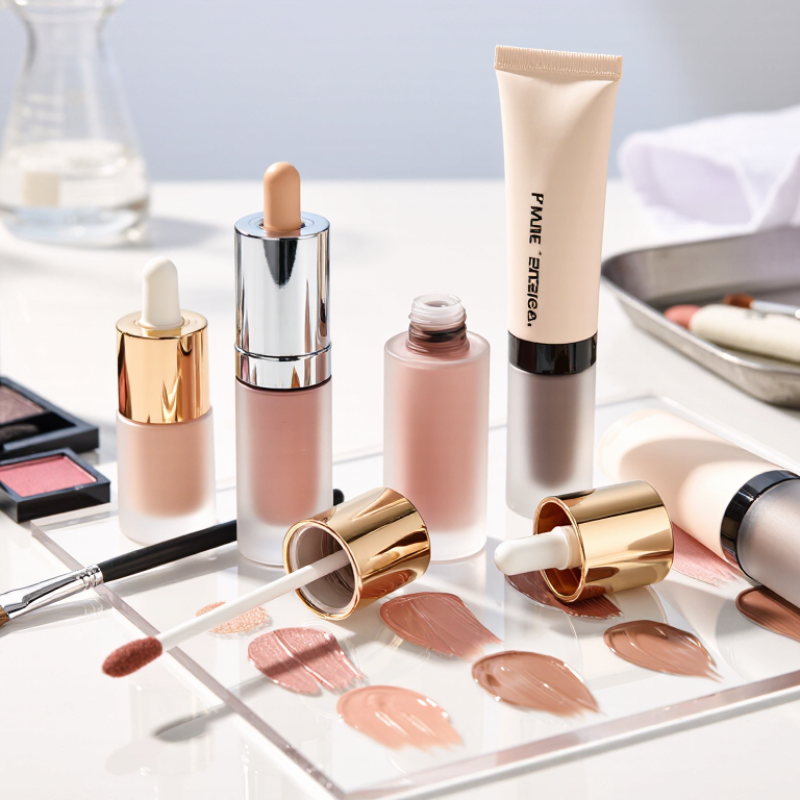
Before choosing an eyeshadow primer supplier, define the product precisely. Decide whether it should feel creamy, silky, or slightly tacky. Specify the finish, such as matte, satin, or shimmer-enhancing. Identify target users, including oily eyelids, dry skin, and sensitive skin. A clear user profile prevents vague supplier quotes.
Test the primer on real eyelids, not only on glass plates. Check blending, crease resistance, color payoff, and removal after eight hours. Compare it with Face Primer, because the formulas serve different areas and performance needs. Record results under warm indoor light and daylight. Small differences matter.
Your sourcing brief should include the ingredient standard, shade range, fill volume, packaging type, minimum order quantity, and target cost. Request samples, full ingredient information, stability data, and quality-control records. Ask about batch consistency and production lead times. A reliable supplier should explain testing methods clearly, not hide behind general claims. Review factory hygiene, documentation, and communication speed before placing a pilot order. The first sample may feel perfect but fail during heat testing. That happened in one evaluation. Recheck assumptions. Leave room for formula adjustments, packaging changes, and realistic launch timing.
Supplier experience should mean more than years in business. Ask for evidence of similar primer projects, including shade matching, texture control, and packaging compatibility. A capable supplier should explain how a Glow Primer remains smooth after filling, transport, and repeated opening. Request batch records, stability results, microbial testing, and corrective-action reports. ISO 22716-based production practices can indicate disciplined cosmetic manufacturing, although certification alone proves little. I would still inspect the factory. Paperwork can look perfect.
Manufacturing capacity deserves a practical test. Review monthly output, filling-line speed, minimum order quantities, lead times, and backup equipment. Circana reported 14% growth in U.S. prestige beauty sales during 2023, showing how quickly demand can shift. A supplier must handle growth without changing pigment dispersion or fill weight. Ask for pilot batches before committing to large volumes. Small inconsistencies matter.
Professional credentials strengthen reliability. Confirm qualified technical staff, documented quality systems, and testing through laboratories using ISO/IEC 17025 principles. McKinsey’s 2023 beauty report projected the global beauty market could reach about 580 billion dollars by 2027. That scale increases pressure on suppliers, but bigger capacity is not always better. A smaller facility may offer closer process control. One overlooked question remains: who approves a failed batch? The answer should be specific, recorded, and easy to verify.
Choosing an eyeshadow primer supplier requires more than a smooth sample. In practical bench testing, a reliable formula should spread evenly, set without stiffness, and hold pigment on textured eyelids. Silicone-based emollients can improve slip, while film-formers support adhesion. However, excessive powder may create dryness or visible patching. A Long Lasting Primer should face controlled tests for creasing, transfer, humidity, and sebum exposure over eight to twelve hours.
Review every ingredient list against the supplier’s technical file. Request raw-material specifications, allergen information, certificates of analysis, and preservative challenge results. ISO 11930 provides a recognized method for evaluating antimicrobial protection, while ISO 22716 guides cosmetic good manufacturing practices. Stability testing should examine heat, cold, light, odor, color, and viscosity. A clear sample is not enough. Microbial results matter more.
Market demand also supports careful supplier selection. Grand View Research’s 2024 color cosmetics report estimates the global market could grow at about 5% annually through 2030. That growth raises pressure for faster launches, but speed can hide weak testing. Ask for batch consistency data and packaging compatibility records. Check whether the primer separates after repeated opening. I would not approve a supplier from one attractive swatch alone. Human eyelids vary, and a formula performing well on dry skin may fail quickly under oil, heat, or layered shimmer.
Use this illustrative sourcing scorecard to compare primer formulas, ingredients, safety controls, and performance evidence. The percentages are proposed evaluation weights, not legal or regulatory limits.
A strong supplier should provide a complete ingredient specification, documented safety assessment, microbial and preservative-control data, stability results, and repeatable performance testing for adhesion, crease resistance, and wear.
Choosing an eyeshadow primer supplier starts with evidence, not a polished sample. Ask which markets they serve and how they verify current cosmetic requirements. Request manufacturing permits, GMP evidence, and a named compliance contact. Documents should match the factory, product, and legal entity. A certificate with mismatched details is a warning. Check ingredient lists against the intended market’s rules. Confirm colorants, preservatives, allergens, and usage restrictions before approval. Requirements vary by country.
Quality control must be visible in daily records. Review raw material specifications, incoming inspection results, and batch manufacturing records. Ask for microbiological limits, stability data, and packaging compatibility results. For each batch, request a certificate of analysis with tested parameters and acceptance limits. Traceability should connect finished goods to raw materials and production dates. A supplier should explain deviations, corrective actions, and complaint handling. I prefer a small pilot order, followed by independent testing. Samples can look perfect. Production may disagree.
Product documentation should include INCI naming, specifications, safety information, storage conditions, shelf life, and labeling guidance. Ask for version numbers and controlled revision dates. Uncontrolled files create avoidable confusion. Verify claims such as long-wear or crease-resistant with suitable test methods. Do not accept vague “tested” statements without protocols or results. I have overlooked missing change-notification terms before; that mistake caused delays. Now, I require written notice before formula, site, packaging, or process changes. That discipline feels slower, but it protects consistency and accountability.
Choosing an eyeshadow primer supplier requires more than comparing unit prices. McKinsey’s 2023 beauty market report forecasts global beauty sales could reach about $590 billion by 2028. That growth increases pressure for distinctive textures, packaging, and reliable production. Ask whether the supplier can adjust coverage, drying time, shade, fragrance, and applicator design. For a korea makeup primer concept, request texture samples that perform under humid conditions.
Minimum order quantities can change the entire budget. A supplier may accept 1,000 units for stock packaging but require 5,000 units for custom tubes or printed cartons. Compare both options. Small orders usually cost more per unit, while large orders can trap cash in slow-moving inventory. Leave room for testing mistakes. I learned that the cheapest quotation may exclude stability testing, artwork plates, or export packaging.
Pricing should include samples, formula development, filling, packaging, inspection, freight, and possible rework. A 2024 Circana report recorded a 14% increase in U.S. prestige makeup sales during 2023, showing strong demand but also tougher competition. Lead times deserve equal attention. Request separate timelines for sample approval, component sourcing, production, and final inspection. Many suppliers quote 30 days, yet custom components may add four to eight weeks. Confirm payment stages and written quality standards. Supplier claims should be checked through batch records, facility audits, and independent testing where appropriate. Fancy promises fade quickly.
Requesting samples is more than a quality check. It shows how a supplier communicates, documents processes, and handles practical questions. Ask for several samples from different production batches. Compare texture, drying time, adhesion, and performance under powder eyeshadow. Record results in a simple testing sheet.
Test it under realistic conditions. Apply the primer to clean skin, then check color payoff after eight hours. Try normal heat and humidity, but avoid making unsupported claims. Review creasing, oil control, comfort, and removal. A cosmetic evaluator should also check the ingredient list, batch number, shelf-life information, and available safety documents. Small details matter.
Supplier reliability appears during this stage. Notice whether replies are clear, samples arrive as promised, and documents match the actual product. Ask about minimum order quantities, production lead times, batch records, and complaint handling. A factory visit or independent quality inspection can provide stronger evidence. My early mistake was judging a primer after one application. That was not enough. Different skin types and eyeshadow formulas changed the result. Leave room for re-testing. A confident supplier should accept reasonable questions without pressure. Consistent sample performance is valuable, but consistent production matters more before placing an order.
It should spread evenly, set comfortably, and hold pigment on textured eyelids. Not overly stiff.
Silicone-based emollients may improve slip, while film-formers can support pigment adhesion. Too much powder may cause dryness or patching.
Test it for eight to twelve hours under creasing, transfer, humidity, and sebum exposure. Real eyelids are unpredictable.
Request raw-material specifications, allergen information, certificates of analysis, and preservative challenge results. Microbial evidence matters.
Check heat, cold, light, odor, color, and viscosity changes. A clear sample proves little.
Ask about coverage, drying time, shade, fragrance, and applicator adjustments. Test texture in humid conditions.
Stock packaging may require 1,000 units, while custom packaging may require 5,000 units. Small orders cost more.
Include samples, formula development, filling, packaging, inspection, freight, and possible rework. Cheap quotes can mislead.
Request separate timelines for sample approval, component sourcing, production, and final inspection. Custom components may add four to eight weeks.
Review batch records, conduct facility audits, and use independent testing when appropriate. One attractive swatch is not enough.
Choosing the right Eyeshadow Primer supplier begins with clearly defining your product concept, target market, texture, shade range, packaging, and sourcing requirements. Evaluate potential suppliers based on their industry experience, manufacturing capacity, technical expertise, and professional qualifications. Request detailed information about their formulas, ingredients, safety measures, and performance testing to ensure the primer delivers reliable adhesion, smooth application, long wear, and comfortable use.
You should also verify the supplier’s quality control procedures, regulatory compliance, certifications, and product documentation. Compare customization capabilities, minimum order quantities, pricing, production schedules, and shipping lead times before making a decision. Finally, request samples and test them carefully for texture, stability, packaging compatibility, and overall performance. Clear communication and small-scale trial orders can help confirm the supplier’s reliability, responsiveness, and ability to meet your standards before you commit to a larger purchase.