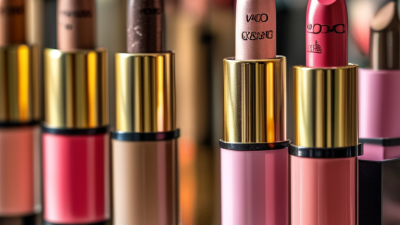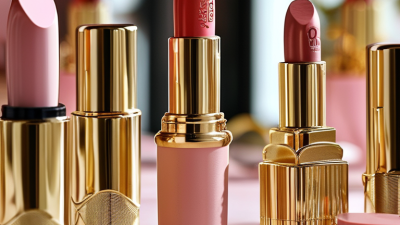
Global buying in Color Cosmetics? It’s rarely just about price. A shade that looks flawless on a studio screen can look totally different under store lights. And a lipstick? It might soften up on a hot shipping route. Those little things can quietly eat into margins, push launch dates, and chip away at consumer trust.
Bobbi Brown — makeup artist and founder of Bobbi Brown Cosmetics — once put it this way: “The best makeup is the kind that makes you look like yourself, only better.” That idea works for sourcing, too. Buyers should look for suppliers who protect product performance without messing with the customer’s identity or comfort. Before you start haggling over volume, review pigment consistency, ingredient docs, stability data, packaging compatibility, and batch traceability. Honestly, small sample differences matter more than they seem.
Reliable sourcing needs proof, not just promises. Ask manufacturers for recent quality records, production capacity, testing procedures, and clear corrective-action plans. Check whether their facilities can actually meet local market requirements. A certificate by itself? Not enough. Visit the factory if you can, or bring in an independent audit. Get minimum order quantities, lead times, backup suppliers, and communication standards confirmed in writing.
The process isn’t flawless. A cheap vendor can end up costing way more after rework, delays, or rejected shipments. Even solid suppliers can miss a shade target. Use sealed retain samples and approved color standards. Test products after transport, not just before they ship. Ethical labor practices and responsible packaging deserve attention, too. This guide lays out ten practical sourcing tips for global buyers — while owning one uncomfortable truth: the cheapest offer is often the least predictable.
Before requesting quotes, define the exact product scope. State the format, shade count, finish, texture, pack size, and expected order volume. A loose brief creates costly revisions. It can also produce inconsistent samples.
I once reviewed a brief containing only “multifunctional makeup.” It sounded efficient, but suppliers interpreted it differently. A stronger brief listed pigment intensity, blendability, fragrance preference, applicator type, and acceptable color variation. Include search terms carefully. Even “tz 6 layer eyeshadow 134 color lipgloss blush” may describe several unrelated product directions. Confirm what the phrase actually means before sharing it with factories.
Your target market should shape every specification. Check preferred shade ranges, climate conditions, consumer sensitivities, language requirements, and packaging expectations. Humid regions may require stronger stability evidence. Some markets may demand specific ingredient disclosures, warnings, batch details, or responsible claims. Ask suppliers for test records, ingredient documents, sample approvals, and production controls. Verify local requirements with a qualified compliance professional.
Make the brief measurable. Define approval samples, color references, fill weight tolerance, defect limits, and delivery checkpoints. Keep a written change log. It prevents quiet misunderstandings. Still, not every requirement will be perfect at the first attempt. Reassess after wear tests, transport trials, and feedback from real users. A revised scope is often more reliable than defending an attractive but impractical original idea.
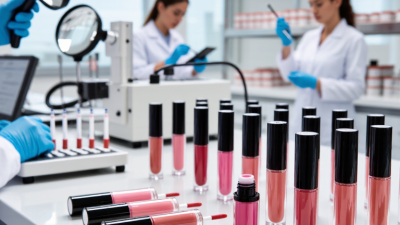
Supplier evaluation should begin with the quality system, not a polished sample. Ask for current certificates, batch records, ingredient specifications, and documented release procedures. Check whether each lot has a clear code, test results, and traceability from raw materials to finished goods. Review procedures for shade matching, microbial testing, stability checks, complaints, and product recalls. Small details matter.
Capacity claims need physical evidence. Request production-line layouts, filling speeds, warehouse conditions, and recent delivery records. Compare stated output with available equipment and trained staff. Ask how the supplier manages seasonal demand, urgent changes, and equipment maintenance. A factory may promise high volume, yet struggle with a small color adjustment. That gap deserves careful questioning.
Experience is more than years in business. Evaluate technical staff, export documentation, change-control discipline, and experience with different packaging formats. Ask for anonymized project examples and measurable performance data, such as defect rates or on-time delivery percentages. During a site visit, observe hygiene controls, sample storage, and how operators record deviations. An experienced team should explain problems clearly, without hiding them. Still, no assessment is perfect. A polished audit file can conceal weak daily habits, while a modest facility may have excellent control. Independent testing, reference samples, and a follow-up audit can expose those differences.
Verify every ingredient before discussing color, texture, or price. Request the complete INCI list, supplier specifications, certificates of analysis, and allergen information. Compare documents with the tested formula, not only the product brochure. Check restricted substances, color additives, preservatives, and contamination risks in each target market. Local rules can differ sharply.
Build a regulatory file for every shade and package size. Include safety assessments, stability data, microbiological results, packaging compatibility, and manufacturing records. Ask whether the facility follows recognized cosmetic good manufacturing practices. A factory audit can reveal weak batch controls or poor storage conditions. Small details matter, such as unreadable lot codes or damaged seals. I have learned that paperwork alone is not proof. Physical samples should match the approved formula.
Challenge every product claim before accepting it. “Long-lasting,” “waterproof,” “hypoallergenic,” and “clean” require evidence and careful wording. Request test methods, participant numbers, conditions, and final reports. Consumer testing under controlled conditions is stronger than a supplier’s informal statement. Review translations with native regulatory professionals. One careless phrase can create costly rework. Buyers should also confirm who owns claim responsibility after importation. My earlier assumption that attractive packaging meant reliable compliance was wrong. Reflect on that before approving a large order.
Global buyers should compare formulas with a fixed testing sheet, not attractive sample photos. Check texture, coverage, scent, pH, viscosity, and color stability. A Color Correcting Primer may appear smooth under studio lights but separate after several hours. Test samples on different skin tones and under natural daylight. Record changes after heat, cold, and repeated opening.
Samples need practical handling. Request matching batch numbers, fill weights, and production dates. Apply the product with clean tools, then check blending, drying time, and transfer onto fabric. A small white-collar test can reveal unwanted staining. Ask for stability data, but verify key observations independently. Supplier documents help; they are not the entire answer.
Packaging deserves equal attention. Compare pumps, tubes, jars, seals, and decoration methods for leakage, oxidation, and ease of use. A 30 ml container should survive drop testing without a cracked cap or loose actuator. Review carton dimensions, label space, material specifications, and shipping protection. Customization can include shade adjustments, finish changes, applicator choices, and artwork. Clarify minimum order quantities, sample charges, tooling costs, tolerances, and lead times before approval. Small changes often create delays. I have seen teams focus heavily on color while overlooking nozzle performance. That mistake is easy to repeat.
Global buyers should compare more than the unit price when sourcing color cosmetics. A low quotation may exclude packaging, testing, freight, or customs preparation. Request a full cost sheet with separate prices for formula, container, decoration, and cartons. Ask whether the price changes at 1,000, 5,000, and 20,000 units. Small differences become significant across large orders.
Tip: Confirm minimum order quantities before requesting samples. Some suppliers set separate MOQs for shades, components, and printed packaging. A Color Changing Lip Gloss may require a higher shade minimum because its pigment system needs controlled production. Ask for a pilot order when possible. It reduces inventory risk, although the per-unit cost may be higher.
Lead times need written milestones. A practical schedule should include sample approval, raw material booking, filling, inspection, and dispatch. Request updates if any stage slips. Payment terms also deserve careful review. A common structure includes a deposit and balance after inspection, but buyers should connect payments to measurable progress. Check bank details through an independent contact before transferring funds. Keep purchase orders, approved samples, invoices, and inspection records together. I have seen teams focus on price and overlook storage costs caused by delayed cartons. That mistake is avoidable, but not always. Ask whether payment fees, mold charges, or reformulation costs are included. Clear questions expose weak assumptions early.
Typical planning benchmarks for private-label color cosmetics: minimum order quantities, production lead times, and initial payment requirements.
Use these figures as early-stage budgeting references. MOQ and lead time vary with formula complexity, packaging customization, testing requirements, and seasonal capacity. A common trade structure is a 30%–50% deposit, with the balance paid before shipment.
Pre-shipment control starts with a signed product specification, not a factory promise. Define shade tolerance, texture, scent, fill weight, and packaging details before production. For Lip Gloss Cosmetics, inspect applicators, closure torque, leakage, and visible particles. Request retained samples from the same production batch. A clean sample does not guarantee a clean shipment. Independent inspection can reveal uneven filling, damaged caps, or incorrect carton markings before dispatch.
Documentation needs equal attention. Match the purchase order, commercial invoice, packing list, ingredient declaration, batch records, and test reports. Check that product names, quantities, lot numbers, and country details match across every document. Ask for current safety and quality records suited to the destination market. Requirements differ by country, so local regulatory review remains essential. Translation errors are easy to miss. One wrong decimal can delay clearance.
Logistics risks often appear after inspection. Confirm carton strength, pallet dimensions, humidity protection, and temperature limits for transport. Photograph sealed cartons, pallet labels, and container loading. Use a shipment tracker with clear responsibility for each handoff. Keep some tolerance for real-world conditions, but document every deviation. No checklist is perfect. A forgotten carton photo once weakened a quality dispute. That lesson deserves a permanent place in the sourcing procedure.
Define the format, shade count, finish, texture, pack size, and order volume. Keep it measurable. Include pigment intensity, blendability, fragrance preference, and applicator type. A vague brief can create inconsistent samples and costly revisions.
Consider local shade preferences, climate, consumer sensitivities, language, and packaging expectations. Humid regions may require stronger stability evidence. Some markets require ingredient disclosures, warnings, batch details, or specific claims. Local requirements should be reviewed with a qualified compliance professional.
Set color references, fill-weight tolerance, defect limits, and delivery checkpoints. Approve physical samples before production. Keep a written change log. It prevents quiet misunderstandings. Still, the first version may not be practical.
Request the complete INCI list, supplier specifications, certificates of analysis, and allergen information. Compare the documents with the tested formula. Do not rely only on a product brochure. Check restricted substances, color additives, preservatives, and contamination risks.
Include safety assessments, stability data, microbiological results, packaging compatibility, and manufacturing records. Maintain separate records for each shade and package size. Ask whether production follows recognized cosmetic good manufacturing practices. Paperwork alone is not proof.
Request test methods, participant numbers, conditions, and final reports for performance claims. Claims such as “long-lasting” or “waterproof” need suitable evidence. Review translations with native regulatory professionals. Attractive packaging does not prove compliance. I learned that too late.
Compare the shipment with the signed specification. Check shade, texture, scent, fill weight, applicators, closures, leakage, and visible particles. Request retained samples from the same production batch. Independent inspection can find uneven filling, damaged caps, or incorrect carton markings.
Match the purchase order, invoice, packing list, ingredient declaration, batch records, and test reports. Verify product names, quantities, lot numbers, and country details. Check carton strength, pallet dimensions, humidity protection, and temperature limits. Photograph sealed cartons and container loading. One missing photo can weaken a quality dispute.
Sourcing Color Cosmetics successfully requires a clear understanding of your product scope, target customers, shade preferences, packaging expectations, and market-specific requirements. Global buyers should evaluate suppliers based on their quality management systems, manufacturing capacity, technical expertise, production experience, and ability to support consistent output. Ingredient safety, regulatory compliance, labeling accuracy, and product claims must also be carefully verified before placing an order.
Buyers should compare formulas, samples, packaging materials, customization services, pricing, minimum order quantities, lead times, and payment terms to identify the best overall value rather than focusing only on unit cost. Before shipment, establish quality inspection procedures and confirm that product specifications, test reports, packing lists, invoices, and shipping documents are complete and accurate. Careful planning, transparent communication, and risk control throughout production and logistics can help reduce delays, prevent quality issues, and build reliable long-term supplier relationships.