Picking the right Balm Lip Tint supplier isn't just about flipping through color charts or pretty factory photos. You need actual proof: consistent formulas, responsible sourcing, dependable production records. A good supplier should be able to walk you through pigment choices, wax systems, emollient balance, and how the formula works with your packaging. They should also hand over batch docs, stability data, ingredient lists, and real samples before you commit to a big order. Those things tell you whether they get daily wear—not just how to make a product look good in a presentation. The best Lip Tint Balm might feel light, leave an even stain, and stay comfortable through repeated application. Small differences really do matter.
This guide looks at leading Balm Lip Tint suppliers worldwide with buyers in mind. It weighs formulation know-how, manufacturing experience, quality controls, customization options, MOQs, lead times, and communication. Certifications can help build trust. But they shouldn't take the place of your own checking. A slick website doesn't prove reliable performance. So ask for current documents, check sample consistency, and sort out who's responsible for testing before you approve anything. Supplier rankings? Take them with a grain of salt too. Market positions shift fast when factories expand, outsource, or change raw-material sources. Some genuinely capable manufacturers just don't get as much visibility as bigger names. That's worth paying attention to.
This discussion isn't trying to crown one supplier as the best for everyone. Skin feel, shade expectations, target market, packaging format, and budget all shape the final call. You'll find practical comparisons here, not absolute promises. Results can vary from batch to batch, and honest evaluation has to include that possibility. With careful checks, brands can find a partner that balances creativity, product safety, production stability, and long-term trust.
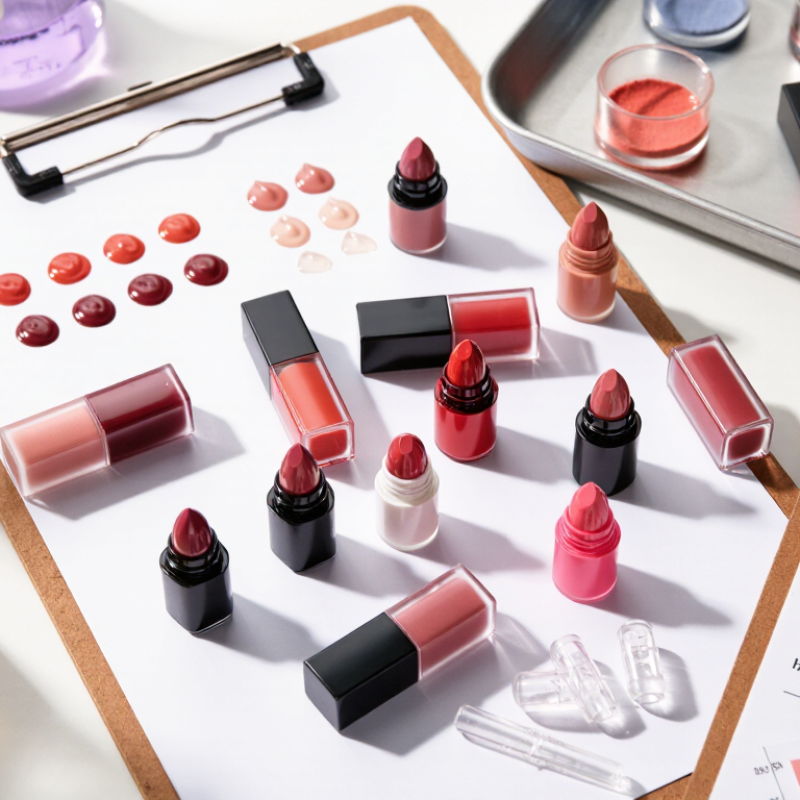
Balm Lip Tint Basics: Ingredients, Claims, and Product Formats
Balm lip tint sits between skincare comfort and color cosmetics. A credible formula often begins with emollients, such as plant oils, waxes, or lightweight esters, to reduce drag. Humectants may support a softer feel, while pigments and dyes create the visible tint. Some formulas include vitamin E, but its presence does not prove strong moisturization. Start with the formula. Small details matter.
When comparing worldwide suppliers
request a complete ingredient list, safety data, batch records, and stability results. Ask how the supplier tests color uniformity, melting behavior, odor changes, and packaging compatibility. A tint that looks smooth in a sample room may sweat inside a warm delivery container. Claims also need evidence. “Buildable color,” “long-lasting hydration,” and “fragrance-free” should reflect suitable testing and accurate labeling requirements in each target market.
Product format changes the user experience.
A twist-up stick is clean and convenient, while a pot can offer a richer, softer balm texture. Squeeze tubes may protect the formula from repeated finger contact, but filling precision becomes important. In practical evaluations, I check glide on dry lips, color after one pass, and residue after a drink. One weakness remains: a beautiful swatch can hide uneven fading. Supplier samples should be tested on different skin tones, under natural light, and after several hours of normal wear.
Grand View Research: $1.98B in 2023, 5.9% CAGR to 2030
Balm Lip Tint is moving from a niche hybrid into a serious color-cosmetics category. Grand View Research values the global market at $1.98 billion in 2023. It also projects a 5.9% CAGR through 2030. If that rate holds, the market could approach $2.95 billion by 2030. The estimate is useful, but not a promise. Currency shifts, regional demand, and changing beauty routines can alter the outcome.
Supplier selection should match this measured growth. Reliable manufacturers need documented pigment testing, microbiological controls, and stability data for oils, waxes, and emollients. Buyers should request sample batches, ingredient specifications, packaging compatibility results, and production lead times. Small details matter. A tint that separates after heat exposure can create returns and damaged trust.
McKinsey & Company and The Business of Fashion forecast the broader beauty market could reach about $590 billion by 2028. That wider expansion supports demand for convenient, multifunctional products, including tinted balm formats. However, global suppliers differ greatly in minimum order quantities, shade consistency, and regulatory documentation. Procurement teams should compare at least three qualified factories before committing. I would also recheck every forecast yearly, because consumer preferences rarely follow a perfect curve.
Supplier Ranking Metrics: MOQ, GMP, Lead Time, and Customization
When evaluating top balm lip tint suppliers worldwide, buyers need more than attractive samples. Supplier ranking should begin with MOQ, GMP, lead time, and customization. A low MOQ can support a cautious launch, especially for a Pink Tint Lip Balm in a new market. Ask whether the quoted MOQ applies per shade, formula, or total order. This detail changes the real budget. Some suppliers advertise flexible quantities, but packaging minimums may still be high. Read the fine print.
GMP evidence is equally important.
Request current certificates, production-area photographs, batch records, and traceability procedures. A professional supplier should explain testing for stability, microbial quality, color consistency, and packaging compatibility. Documents alone are not enough. A remote audit or third-party inspection adds practical confidence. I would also ask how they handle a failed batch, because polished answers can hide weak systems. That question matters.
Lead time should be separated into sampling, formula approval, production, and shipping. For customized tint, six to ten weeks may be realistic, but capacity and seasonal demand can change it. Get each stage written into the quotation. Customization may include pigment intensity, botanical oils, flavor, tube shape, label finish, and carton size. Every change can affect testing and timing. Request a pilot batch before full production. It may reveal uneven tint, a loose cap, or color fading. Those small defects are easy to miss in digital presentations. The strongest supplier is not always the cheapest; it is the one that reports limits clearly and keeps records consistently.
Regional Supplier Map: Asia-Pacific, Europe, and North America Compared
What Are the Top Balm Lip Tint Suppliers Worldwide?
The strongest balm lip tint suppliers are concentrated across Asia-Pacific, Europe, and North America. Asia-Pacific leads in manufacturing scale, shade development, and flexible minimum orders. Factories in South Korea, China, Japan, and Southeast Asia often offer fast sampling and balm bases with botanical oils, waxes, and lightweight pigments. A sourcing team should inspect the filling room, pigment dispersion, stability records, and packaging compatibility. Samples can look excellent yet separate after heat exposure.
Europe is known for refined textures, restrained color payoff, and detailed ingredient documentation. Suppliers in France, Italy, Germany, and surrounding markets often support premium positioning and smaller design-led collections. Their strengths include sensory testing, sustainable packaging options, and disciplined batch records. Costs may rise with local labor and certification requirements. That difference matters.
North American suppliers usually provide responsive communication, contract manufacturing, and strong support for market testing. They may suit brands needing pilot runs, custom flavor development, or rapid adjustments. However, some facilities outsource key steps, so buyers should verify the full production chain. Ask for batch samples, preservative testing, allergen information, and production lead times. Do not rely on a polished catalog. A factory visit or independent audit reveals more. In my experience, regional reputation is only a starting point; the best supplier depends on formula stability, order volume, documentation quality, and transparent problem handling. Mistakes still happen. The real test is how clearly the supplier reports and corrects them.
Regional Supplier Map: Asia-Pacific, Europe, and North America Compared
Asia-Pacific offers the broadest geographic coverage and largest consumer population, while Europe and North America provide concentrated, higher-value cosmetic markets. The chart uses regional scale as a supplier-screening proxy rather than naming individual companies or brands. Country and area counts follow the UN M49 regional classification; population figures are rounded 2023 estimates from the United Nations World Population Prospects.
Compliance Check: ISO 22716, FDA 21 CFR, and EU Regulation 1223/2009
Choosing top balm lip tint suppliers worldwide requires more than color charts and sample photos. Compliance documents should arrive before purchase negotiations. ISO 22716 demonstrates controlled cosmetic manufacturing practices. These include hygiene, batch records, staff training, and complaint handling. It is not product approval. Ask for the current certificate, issuing body, site address, and covered activities. An unclear scope deserves careful questions.
For U.S. sales, review ingredient safety, labeling, adverse event procedures, and facility responsibilities. FDA 21 CFR provisions can affect color additives, restricted ingredients, packaging statements, and records. Cosmetic products are generally not FDA approved. That wording is a warning sign. Request an INCI ingredient list, batch specifications, stability data, and a Certificate of Analysis for each lot. For Spf Lip Balm, request sunscreen testing records and accurate SPF labeling. One attractive sample proves little.
For EU distribution, Regulation (EC) No 1223/2009 requires a responsible person and a product information file. It also requires a safety assessment, compliant labeling, and notification before sale. Suppliers should support legal review, not replace it. Check the safety assessor’s qualifications. Review microbiological results, preservative challenge testing, heavy metal controls, and packaging compatibility. Supplier folders can look complete while missing pigment-to-batch traceability. That gap matters. Keep written approvals, retained samples, and change-control records. Recheck claims whenever formulas change.
Due Diligence: COAs, Stability Tests, INCI Data, and Private-Label Terms
Choosing a balm lip tint supplier requires more than shade cards and attractive packaging. Grand View Research estimated the global cosmetics market at USD 446.2 billion in 2023. That scale increases supplier choice, but not necessarily supplier quality. In my audits, the COA is often the first weakness. Request batch-specific identity, microbiological, heavy-metal, and preservative results. Ask whether an accredited laboratory issued the report. ISO/IEC 17025 accreditation adds confidence, but it does not replace your review. Check the lot number, test method, release date, and specification limits.
Stability evidence should match the intended package. Request accelerated aging, freeze-thaw cycles, centrifuge results, and container compatibility checks. Heat can soften waxes, shift pigments, and separate oils. A six-week screen is useful, not proof of a long shelf life. ISO/TR 18811:2018 supports product-specific stability justification. Review the complete INCI list, allergen declarations, pigment names, and market restrictions. For a Glossy Lip Balm, verify shine claims under realistic storage conditions. Claims can look stronger than performance.
Tips: Put every promise in writing. Confirm minimum order quantity, sample fees, lead times, artwork ownership, formula exclusivity, change-control notices, and rejected-goods remedies. Request retention samples from three production lots. Compare them in daylight and at 40°C. Suppliers sometimes respond quickly, then revise terms later. I still find this easy to overlook.
Vegan Plump Lip Oil OEM: Market Opportunities from Grand View Research’s Lip Care Products Report
The global lip care products market is entering a growth phase shaped by demand for multifunctional, sensorial, and personalized cosmetics. Grand View Research estimates that the market was valued at approximately USD 4.8 billion in 2023 and is projected to expand at a steady CAGR through 2030. This trend creates attractive opportunities for OEM suppliers offering differentiated vegan lip products that combine treatment, shine, color, and visible volume enhancement in one format.
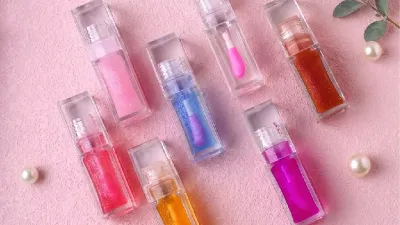
Our vegan plump lip oil is designed for this evolving market with Instant Melt Phase-Shift Technology. The formula transforms from a rich, balmy texture into a lightweight liquid oil when it meets the lips, creating a smooth application without a sticky after-feel. By responding to lip temperature and pH, it produces a personalized pink tint and a high-shine “Glass Glow” finish. The plumping effect and weightless texture support the growing consumer preference for comfortable, wearable products suitable for daily use.
For private-label and contract manufacturing clients, this concept offers flexible positioning across clean beauty, premium color cosmetics, and hybrid lip care categories. Packaging, tint intensity, fragrance profile, and active-ingredient storytelling can be adapted for different regional markets and target consumers. With lip care increasingly moving beyond basic moisturization, an innovative oil format can help brands develop premium collections, seasonal launches, and personalized beauty lines while responding to the market’s demand for multifunctional performance.
FAQS
The market was valued at about $1.98 billion in 2023. It may approach $2.95 billion by 2030. Forecasts can change. Currency shifts and changing routines may affect actual growth.
Request sample batches, ingredient specifications, stability data, packaging tests, and production lead times. Ask for documented pigment and microbiological testing. Small details matter.
Check whether the minimum applies per shade, formula, or total order. Packaging may have a separate minimum. Read the fine print. A low quoted quantity can still create a large budget.
Review manufacturing controls, traceability, testing systems, lead times, and customization limits. Request current certificates and batch records. The cheapest supplier may not be the safest choice.
Customized production may take six to ten weeks. Separate sampling, formula approval, production, and shipping timelines. Seasonal demand can extend delivery. Get every stage written into the quotation.
A pilot batch can expose uneven tint, color fading, loose caps, or poor texture. Test it after heat exposure. Digital presentations can hide defects. I would still inspect several units personally.
Request ingredient lists, batch specifications, stability results, microbial testing, and certificates of analysis. Also review manufacturing-practice certificates and traceability records. Documents alone are not enough.
Review ingredient safety, labeling, facility duties, adverse-event procedures, and required product records. European sales may require a responsible person, safety assessment, product file, and pre-market notification. Requirements can change. Seek qualified legal review before launch.
Conclusion
Balm Lip Tint products combine the nourishing feel of a lip balm with sheer, buildable color, typically using emollient oils, waxes, pigments, and conditioning ingredients. This article examines the category’s reported growth, including an estimated market value of $1.98 billion in 2023 and a projected 5.9% CAGR through 2030. It also explains how product formats, ingredient choices, and marketing claims influence supplier selection and consumer appeal.
To identify reliable Balm Lip Tint suppliers, buyers should compare minimum order quantities, GMP practices, lead times, packaging options, and private-label customization. The guide contrasts supplier strengths across Asia-Pacific, Europe, and North America, while highlighting the importance of compliance with ISO 22716, FDA 21 CFR requirements, and EU Regulation 1223/2009. Before placing an order, companies should request certificates of analysis, stability and compatibility test results, complete INCI data, product specifications, and transparent private-label terms. These checks help support consistent quality, accurate labeling, and smoother market entry.