The global beauty industry keeps growing, sure. But if you're buying, a pretty catalog only gets you so far. McKinsey's The Beauty Market in 2023 report expects the sector to hit close to USD 580 billion by 2027, growing about 6% a year. Grand View Research put the global cosmetics market at roughly USD 343.7 billion in 2023. Now, those numbers use different market definitions—and that matters more than it might seem.
When you're sourcing a Concealer Stick, the supplier needs to bring more than nice samples. You want real formulation know-how, accurate filling, solid packaging control, and export experience. Companies like Intercos, Kolmar Korea, COSMAX, Chromavis, and Mana Products work with international beauty brands through contract manufacturing or product development programs. Their strengths might include color matching, vegan formulas, refillable packaging, and stability testing. Still, a big name doesn't automatically mean the best fit. Sometimes a smaller manufacturer can move faster on sampling and be more flexible with minimum order quantities.
The little details tell you a lot about production strength. Buyers should check how the stick glides, how well it covers, whether the odor is off, if it snaps easily, and how it holds up after heat exposure. A formula that feels smooth in the lab may act totally different in a steamy bathroom. So testing should also cover how the formula and packaging work together—especially around the twist mechanism. ISO 22716-based cosmetic good manufacturing practices can help with quality control, but you still need to verify any certification claims. Supplier audits, batch records, safety documentation, and clear lead times all deserve a close look, too. No ranking is perfect. Capacity, regulatory support, and communication can shift depending on the project and region. This guide compares leading manufacturers using practical criteria, so global buyers can choose a Concealer Stick partner based on evidence—not just reputation.
Concealer stick manufacturing begins with the intended application, not only the package. A Face Concealer for daily wear needs comfortable coverage, easy blending, and stable color. Professional manufacturers usually develop twist-up, refillable, and slim precision formats. Each format suits a different retail channel and user habit.
Formula design controls the product experience. Waxes provide structure, while oils and emollients improve glide across the skin. High-pigment formulas can cover redness, dark circles, and small blemishes. Creamy textures suit dry skin, while cream-to-powder finishes may work better for oily areas. A soft tip helps under-eye application, but it may break during transport. This is where testing matters.
Manufacturers should check shade consistency, pay-off, hardness, heat stability, and packaging compatibility. Samples should be tested on real skin, under natural and indoor light. Laboratory checks are important, yet practical wear tests reveal issues that equipment may miss. A formula can look excellent in a sample jar and feel heavy after six hours. That weakness should be recorded, not hidden.
Global buyers also need clear production records, ingredient specifications, batch controls, and realistic lead times. Applications may include professional makeup, travel kits, beauty subscription boxes, and everyday retail products. Low minimum orders can help market testing, but they may raise unit costs. Refillable designs reduce packaging waste, although consumers may find them less convenient. Good manufacturing decisions often involve compromises.
This reference chart shows the typical structure of an anhydrous concealer stick formula. Emollient oils and esters provide slip, waxes create stick stability, pigments deliver coverage and color, fillers modify texture, and functional additives support wear, preservation, and skin feel. Actual percentages vary according to product type, coverage level, finish, packaging format, and application requirements.
Global buyers should assess concealer stick manufacturers through evidence, not polished catalog images. McKinsey’s 2023 beauty report projects the global beauty market could reach about US$580 billion by 2027. This growth increases pressure on suppliers to deliver consistent quality at scale. Review production capacity, batch records, ingredient traceability, and quality-control procedures. Ask for recent test reports covering microbiological safety, stability, heavy metals, and packaging compatibility. Request samples from different production lots. One perfect sample proves little.
Formula performance needs practical testing. Check coverage, blendability, transfer resistance, oxidation, and comfort after eight hours. A concealer stick should glide smoothly, without dragging across dry skin. Compare it with Concealer Cream when evaluating finish and application speed. Grand View Research estimates the global color cosmetics market will continue expanding through 2030, with product innovation supporting demand. However, market growth does not guarantee reliable manufacturing. Examine whether the factory follows ISO 22716 cosmetic GMP principles and maintains documented corrective actions. Test the twist mechanism repeatedly. Small packaging failures can create costly returns.
Global compliance also matters. Manufacturers should provide complete ingredient files, safety assessments, labeling support, and export documentation for each destination. Verify responsible sourcing claims through records, not vague assurances. Lead times deserve equal scrutiny; request capacity plans for seasonal demand. I would also question unusually low quotations. They may reflect efficient operations, but they may hide weaker testing or unstable materials. Mistakes happen. Reliable suppliers explain them clearly and show how they prevent repetition.
Top Concealer Stick Manufacturers for Global Buyers
For global buyers, production capability means more than a large factory. It shows in repeatable output, controlled lead times, and stable shade quality. A capable concealer stick manufacturer can run several filling lines without changing texture between batches. During supplier reviews, I examine daily capacity, minimum order quantities, and backup equipment. I also request recent batch records. Numbers matter. Yet capacity claims can look impressive while actual utilization remains unclear.
Strong manufacturers use calibrated heating tanks, precise dosing systems, and cooling tunnels suited to stick formulas. These details reduce sweating, cracking, and uneven application. Operators should record fill weight at defined intervals, not only inspect finished cartons. Quality teams typically check appearance, glide, coverage, odor, and stability under controlled conditions. Packaging compatibility deserves attention too. A tight cap is useful. A decorative tube that jams is not.
Production depth also includes raw material planning, trained staff, and realistic scale-up trials. A supplier may produce 100,000 units monthly, but that figure needs context. Does it cover one shade or twenty? Can it protect delivery during a tube or pigment delay? I prefer factories that share capacity calendars, inspection procedures, and corrective-action records. No operation is flawless. Some suppliers still rely on manual checks, which can create avoidable variation. That weakness should be discussed before approval, not hidden behind polished samples.
Anonymous industry benchmark for evaluating concealer stick manufacturing capacity, compliance readiness, and export capability
| Manufacturer Capability Tier | Estimated Annual Stick Capacity | Typical Monthly Output | Standard Minimum Order Quantity | Typical Development Lead Time | Typical Production Lead Time | Available Concealer Formats | Quality & Compliance Readiness | Export & Packaging Capability | Best Fit for Global Buyers |
|---|---|---|---|---|---|---|---|---|---|
| Enterprise Scale | 30–80 million units | 2.5–6.7 million units | 50,000–200,000 units per shade or SKU | 8–14 weeks | 8–16 weeks after approval | Twist-up, refillable, dual-ended, high-coverage, hydrating, matte, SPF-enabled | Usually equipped for ISO 22716-aligned GMP systems, stability testing, microbial testing, shade control, and regulatory documentation | Automated filling, molding, labeling, carton packing, barcode application, and palletized export shipments | Large retail programs, multinational launches, and high-volume private-label portfolios |
| Large-Scale Contract Manufacturer | 10–30 million units | 830,000–2.5 million units | 20,000–100,000 units per shade or SKU | 6–12 weeks | 6–12 weeks after formula and artwork approval | Standard twist-up, soft-matte, cream, stick-to-powder, buildable coverage, color-correcting | Commonly supports GMP documentation, batch traceability, safety assessment files, stability data, and certificate-of-analysis control | Multiple component suppliers, custom cartons, printed sleeves, tamper-evident packaging, and mixed-container export orders | International beauty brands requiring scalable production with moderate customization |
| Mid-Scale Flexible Manufacturer | 2–10 million units | 165,000–830,000 units | 5,000–30,000 units per shade or SKU | 4–10 weeks | 5–10 weeks after final approval | Twist-up, cream-to-powder, natural-finish, moisturizing, matte, and sensitive-skin formulas | Often provides GMP-based production controls, incoming-material inspection, finished-product testing, and retained samples | Suitable for standard stock components, short-run packaging, multilingual labels, and consolidated freight | Growing brands, regional distributors, and buyers testing new shades or markets |
| Specialist Small-Batch Manufacturer | 250,000–2 million units | 20,000–165,000 units | 1,000–10,000 units per shade or SKU | 3–8 weeks | 4–8 weeks after formula and packaging approval | Clean-label, vegan, mineral, botanical, sensitive-skin, cream, and limited-edition formulations | Typically offers batch records, ingredient documentation, basic stability screening, and third-party testing on request | Strong suitability for low-volume custom packaging, shade collections, sample runs, and pilot launches | Indie brands, specialty retailers, e-commerce launches, and market validation programs |
| Sampling & Pilot Production Facility | 50,000–500,000 units | 4,000–42,000 units | 500–5,000 units per shade or SKU | 2–6 weeks | 3–6 weeks after pilot sign-off | Pre-developed base formulas, basic cream sticks, tinted concealers, contour sticks, and prototype shades | Focused on formulation trials, shade matching, compatibility checks, pilot batches, and pre-production quality review | Best suited to stock packaging, small export cartons, test-market quantities, and rapid sample iteration | New product concepts, buyer samples, limited releases, and pre-scale qualification |
Note: Capacity, order quantities, and lead times are industry benchmark ranges for anonymous concealer stick manufacturing facilities. Actual performance varies according to formula complexity, shade count, packaging specifications, testing requirements, seasonality, and destination-market regulations.
Top concealer stick manufacturers support international buyers through private label and customization services. Experienced suppliers can adjust shade, coverage, finish, fragrance, and stick hardness. These details matter when products travel through different climates. A creamy formula may soften during shipping. A firmer stick may apply unevenly on dry skin.
Private label development usually begins with a brief, shade reference, and target price. Buyers should request lab samples before approving bulk production. Include several skin tones in testing. Check blending, oxidation, wear time, and packaging stability. An Eyeshadow Concealer formula may need different balance between coverage and flexibility. It should conceal without feeling heavy on the eyelids.
Packaging can also be customized. Options include tube color, cap design, label material, carton printing, and batch coding. Reliable manufacturers provide ingredient documents, quality records, sample approvals, and production timelines. They should explain minimum order quantities clearly. They should also identify testing completed for the intended market. Requirements differ by region, so buyers must review local cosmetic rules with qualified professionals.
Small details matter. Very much. A sample can look excellent but fail after heat exposure. That mistake is expensive. Suppliers may offer revisions, yet unlimited changes are rarely realistic. Clear feedback keeps development practical. Buyers should compare communication speed, technical responses, and consistency between approved samples and finished goods. The lowest quote is not always the safest choice. A slightly higher cost may reflect better controls, stronger packaging, and more dependable international support.
Reliable concealer stick manufacturers should show more than attractive samples. Buyers need batch records, ingredient specifications, stability results, and microbial testing. ISO 22716 provides practical good manufacturing practice guidance for cosmetic production. It covers hygiene, equipment cleaning, storage, and traceability. Ask to inspect these controls before discussing large volumes. Small details matter, such as sealed raw-material bins and recorded temperature checks.
Regulatory compliance must match the destination market. In the United States, the Modernization of Cosmetics Regulation Act requires facility registration, product listing, safety substantiation, and serious adverse event reporting within 15 business days. In the European Union, each product needs a responsible person, a cosmetic product safety report, and notification through the Cosmetic Products Notification Portal. The EU Safety Gate 2023 report identified cosmetics as 32% of reported dangerous products. That figure deserves attention.
A strong supplier can explain shade pigments, preservatives, packaging compatibility, and withdrawal procedures without vague promises. Concealer sticks may soften during shipping, crack after cooling, or transfer into the cap. Stability testing should examine heat, freeze-thaw cycles, odor, texture, and color change. A passing first sample is not enough. It is tempting to trust a polished audit file, but missing supplier-change records can reveal weak control. Global buyers should also verify test laboratories and request current documents, not recycled certificates. Even experienced teams sometimes overlook the cap’s seal. That mistake can become expensive.
Top Concealer Stick Manufacturers for Global Buyers
Packaging, Minimum Order Quantities, and Supply Chain Considerations
When evaluating concealer stick manufacturers, inspect packaging before discussing large volumes. A cap should close firmly without damaging the stick. The twist mechanism must move smoothly after repeated use. Details matter. Ask for samples with the intended formula, not an empty package. Heat exposure can reveal softening, sweating, or cap distortion. Drop testing also matters when cartons travel through several warehouses. Recyclable materials may support sustainability goals, but they can require different barrier tests and higher tooling costs.
Minimum order quantities often depend on more than the formula. Custom color matching, molded components, printing, and special finishes can raise the threshold. Request separate MOQs for the formula, packaging, decoration, and finished units. This breakdown makes negotiation clearer. A smaller pilot order may cost more per piece, yet it can expose defects before a major investment. Samples expose flaws. Do not treat them as perfect evidence; production batches may still vary slightly.
Reliable supply chains need written lead times, inspection checkpoints, and clear records for every batch. Confirm who controls raw material changes and how deviations are reported. Maintain buffer stock before seasonal launches, especially when transport schedules are uncertain. Dual sourcing may reduce disruption, although it can create shade and packaging differences. That risk deserves testing. I have seen purchasing plans fail because forecasts were optimistic and artwork approvals arrived late. A practical contract should define acceptable tolerances, corrective actions, shipping terms, and documentation for the destination market. Around four weeks of extra planning can prevent expensive delays.
Top Concealer Stick Manufacturers for Global Buyers
How Global Buyers Can Select the Right Manufacturing Partner
Selecting a concealer stick manufacturer requires more than comparing unit prices. Buyers should inspect formulation expertise, production controls, and export experience. Ask for recent batch records, ingredient specifications, and stability test results. A reliable partner can explain how pigments, waxes, and emollients perform in different climates. Humid storage can soften a stick quickly.
Request physical samples before signing a development agreement. Test the product on several skin tones and under varied lighting. Check glide, coverage, blendability, scent, and wear after eight hours. For a Long Wear Concealer, assess creasing around the eyes and transfer onto fabric. Small details matter. A cap that loosens in transit can damage an otherwise strong product.
Review the factory’s quality system and manufacturing records. Confirm cosmetic GMP practices, microbial testing, packaging compatibility, and batch traceability. The partner should support accurate ingredient labeling and market-specific documentation. Clarify minimum order quantities, tooling charges, lead times, and ownership of custom formulas. Video calls help, but an independent audit can reveal crowded storage areas or weak sample controls. I have found that polished presentations sometimes hide slow communication. That is uncomfortable, but worth examining. A manufacturer should also respond clearly when a test fails, rather than promising perfect results. Availability of backup materials and a documented change-control process can protect future supply.
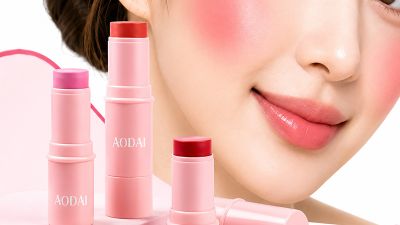
China’s multi-use color blush stick market is gaining attention as consumers seek simpler, travel-friendly makeup routines. Grand View Research estimates that the global color cosmetics market was valued at approximately USD 84 billion in 2023 and will continue expanding through 2030, supported by demand for convenient, multifunctional products. A blush stick that works as cheek color, lipstick, and eyeshadow responds directly to this trend while reducing the number of products required in a daily makeup bag.
For OEM buyers, Chinese suppliers and factories offer flexible development options, including custom shades, packaging, logo application, formula adjustments, and minimum-order planning. The recommended product uses multi-dimensional color technology and a creamy, lightweight texture that melts smoothly onto the skin. Its silky glide helps create a natural, second-skin flush without harsh edges or a heavy powdery finish, while the buildable formula can be blended across cheeks, lips, and eyelids. Factories should provide ingredient documentation, stability testing, shade samples, and production-quality controls before bulk manufacturing.
According to a 2024 McKinsey beauty industry report, consumers increasingly value products that combine performance, convenience, and adaptable usage. This makes a three-in-one color stick especially suitable for online beauty retailers, private-label collections, professional makeup distributors, and emerging cosmetic lines. When evaluating suppliers, buyers should compare formula consistency, color-development capability, packaging durability, production lead times, and compliance documentation to establish a reliable long-term manufacturing partnership.
Review production capacity, batch records, ingredient traceability, and quality-control procedures. Ask for recent safety and stability reports. One sample proves little. Compare samples from several production lots before ordering.
Test coverage, blendability, transfer resistance, oxidation, and eight-hour comfort. The stick should glide smoothly across dry skin. Check whether it drags, cracks, or changes color during wear.
Request ingredient specifications, microbial results, stability data, and batch records. Storage checks should include temperature records and sealed material containers. Missing supplier-change records may reveal weak control.
Close the cap repeatedly and operate the twist mechanism many times. Perform heat exposure and drop testing. Check for softening, sweating, cracking, or cap distortion. Details matter.
Request separate minimum quantities for formula, packaging, decoration, and finished units. Custom colors and molded parts may increase thresholds. A small pilot order can expose defects early, despite a higher unit cost.
The supplier should provide ingredient files, safety assessments, labeling information, and export documents. Requirements differ by destination. Ask for current documents, not recycled certificates.
Confirm written lead times, inspection checkpoints, deviation reporting, and raw-material change controls. Keep extra stock before seasonal launches. Around four weeks of added planning may prevent costly delays.
They may reflect efficient operations, but they can also hide weaker testing or unstable materials. Ask what the price includes. Reliable suppliers explain mistakes and show corrective actions. Suppliers are not flawless.
This guide explains how global buyers can evaluate Concealer Stick manufacturers across product types, formulas, skin-feel preferences, coverage levels, and application needs. It outlines the differences between standard, moisturizing, long-wear, and specialty formulas while highlighting important selection criteria such as production capacity, formulation expertise, testing procedures, ingredient traceability, and manufacturing consistency. Buyers will also learn how private label and custom development services can support unique shades, finishes, packaging designs, and market positioning.
The article further examines quality control, product safety, documentation, packaging formats, minimum order quantities, lead times, and supply chain reliability. It emphasizes the importance of reviewing a manufacturer’s communication, sampling process, compliance documentation, scalability, and after-sales support before placing an order. By comparing capabilities and matching them with budget, target market, product specifications, and delivery expectations, international buyers can choose a dependable manufacturing partner for long-term Concealer Stick development and supply.