Leave Your Message
Name*
Phone number*
Email Address*
Message*
0%

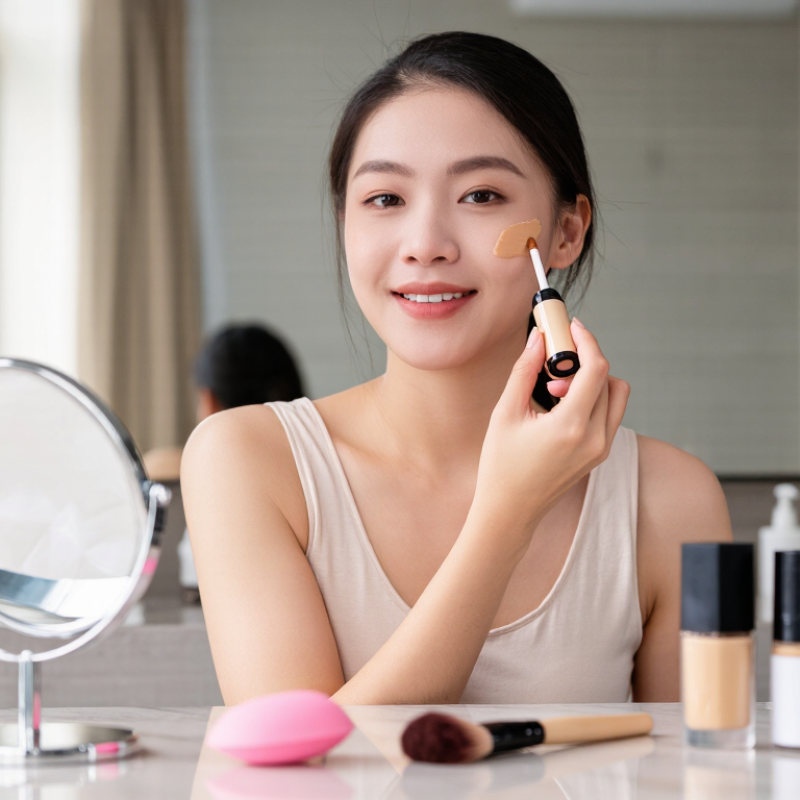
A Foundation Stick is basically a solid makeup product that you can use to target specific areas or build up coverage as needed. It usually comes in a convenient twist-up tube, so it's super easy to apply on the go. Just swipe it over your cheeks, forehead, nose, or any spot that needs a little extra love, then blend it out—whether that's with your fingers, a damp sponge, or a dense brush. It’s pretty flexible like that.

If you’ve ever read or heard makeup artist Bobbi Brown's advice, she always says, “Foundation should look like skin, not makeup.” That’s kind of the whole point with Foundation Sticks. They can give you that natural, fresh look—covering redness or imperfections without piling on a heavy layer all over your face. Plus, because of their shape, they're great for precise work around your nose and under your eyes—little details really do count.

But here’s the thing: how your foundation turns out really depends on how you prep your skin, the formula you choose, and your technique. For example, if you have dry skin, it might help to slather on a good moisturizer beforehand. Oily skin? A lightweight, non-greasy primer can make a big difference. Also, a common mistake is applying too much directly from the stick—it can leave hard edges or emphasize texture. That’s pretty normal—don’t worry!

And just a heads up: not all Foundation Sticks are created equal. Some lean more matte, others give off a luminous glow, so make sure you know what finish you want. It’s easy to assume they all work the same, but variations are totally normal.

In this guide, I’ll walk you through what a Foundation Stick is, how it stacks up against liquid and powder foundations, and when each type works best. We'll cover everything from choosing the right shade, blending tips, layering techniques, hygiene tips, and how to remove it properly. Remember, real skin isn’t perfectly smooth—it’s all about embracing that. Sometimes a thin layer looks way more natural in daylight, even if your mirror prompts you to add a bit more product—trust the natural vibe.
What Is a Foundation Stick and How Do You Use It?

What Is a Foundation Stick?

A foundation stick is a solid, cream-based complexion product shaped like a slim makeup crayon. It usually contains pigments, emollients, and structuring waxes. These ingredients help the product glide across the skin without spilling. The formula can provide sheer, medium, or fuller coverage, depending on its texture and application. Unlike a concealer, it is generally designed for broader areas. Unlike a Blush Stick, it matches the skin rather than adding cheek color. Its compact tube also makes it practical for travel and quick touch-ups.

Use it on clean, moisturized skin for smoother movement. Swipe small lines across the forehead, cheeks, nose, and chin. Then blend with clean fingers, a damp sponge, or a firm brush. Start lightly. More coverage is easier to add than remove. In my experience, warming the stick briefly on the back of the hand can prevent patchy application. Still, this step is not foolproof. Dry areas may emphasize texture, while oily areas can make the finish fade sooner. Check the ingredient list if your skin reacts easily, and patch-test new formulas when possible. Clean tools regularly, because cream products can collect oil, dust, and bacteria. A foundation stick should look like skin, not a heavy mask.

How Foundation Sticks Differ from Other Foundation Types

Foundation sticks are solid complexion products shaped like makeup crayons. They contain concentrated pigments in a wax or cream base. Unlike liquid foundation, a stick does not spill and usually needs less product for coverage. It feels solid. That makes it useful for travel, quick touch-ups, and targeted application.

Liquid foundation spreads easily across larger areas and often creates a thinner, more flexible layer. Powder foundation absorbs surface oil and gives a drier finish, but it may emphasize flaky patches.

Cream foundation feels richer and usually blends with slower, softer movement. A foundation stick sits between these options. It can provide medium or full coverage, depending on pressure and blending.

I have noticed one drawback: applying directly from the tube can leave too much product around the nose.

Use less. Draw short lines on the cheeks, forehead, chin, and nose. Then blend with clean fingers, a damp sponge, or a dense brush.

Fingers warm the formula, while a brush can preserve stronger coverage. Check the jawline in natural light because indoor lighting can hide a poor shade match.

For dry skin, moisturizer underneath can prevent a stiff, patchy finish. For oily skin, a light setting powder may help the center of the face last longer.

Clean the stick’s surface regularly, especially when sharing tools or treating blemishes. A patch test is sensible for sensitive skin.

Not every stick suits every complexion, and I still find blending around facial hair surprisingly easy to overlook.

What to Consider Before Choosing a Foundation Stick

A foundation stick is a solid complexion product in a twist-up tube. It gives targeted coverage without a liquid spill. Warm the tip on clean skin, then draw short lines across the cheeks, nose, forehead, and chin. Blend with fingers, a damp sponge, or a dense brush. I prefer pressing rather than rubbing, especially around dry patches. The finish often looks more natural that way.

Before choosing a Makeup Stick, check your skin’s needs and daily setting. A matte formula may control shine, but it can emphasize flaky areas. A creamy formula can look comfortable, yet it may move around the nose. Read the ingredient list if your skin reacts easily. Fragrance is not automatically harmful, but sensitive users may want to avoid it. Shade testing matters too. Apply a stripe along the jaw, then inspect it in daylight. Store lighting can mislead you.

Portability is a major reason for choosing a stick. McKinsey & Company’s 2023 beauty analysis projects the global beauty market could reach about $590 billion by 2028, with makeup remaining a growth category. Circana’s 2024 U.S. beauty reporting also showed continued consumer interest in practical, complexion-focused products. These figures support convenience, not blind purchasing. A stick is not always faster. Heavy application can become uneven, and I sometimes use too much near the mouth. Start with less. Build only where redness or discoloration remains. Clean the surface regularly, because repeated contact with skin can transfer oil and residue.

How to Prepare Your Skin for Application

A foundation stick is a solid complexion product designed for controlled, buildable coverage. Before applying it, prepare your skin carefully. Cleanse with lukewarm water, then pat your face dry with a soft towel. Apply a lightweight moisturizer, especially around the nose and cheeks. Give it several minutes to absorb. Damp skin can make foundation slide.

Healthy preparation matters more than heavy coverage. If your skin feels rough, use gentle exfoliation the night before, not immediately before makeup. Daily sunscreen should dry fully before foundation. A silicone-free primer may help reduce uneven texture, but it is optional. Avoid layering too many products. I sometimes use more moisturizer than needed, and the foundation separates later. That mistake taught me to wait and check my skin’s surface.

Tips: Apply the stick in short lines across the forehead, cheeks, nose, and chin. Blend outward with clean fingers, a sponge, or a dense brush. Start lightly. Add coverage only where redness remains. Wash tools regularly to reduce buildup and irritation. Keep the stick capped and avoid sharing it. A foundation stick is not a Lip Gloss Stick, so never use it near the lips unless its label clearly permits that use. If burning or persistent redness appears, remove the product and stop using it.

How to Apply Foundation Stick Step by Step

A foundation stick is a solid complexion product in a twist-up tube. It offers targeted coverage with less mess than liquid formulas. Grand View Research estimated the global foundation market at about USD 3.4 billion in 2023. That growth reflects continued demand for portable, easy-to-use makeup.

Begin with clean, moisturized skin. Let skincare absorb for two minutes. Check your shade along the jawline, not your hand. Apply short strokes to the forehead, cheeks, nose, and chin. Keep the layer thin. A 2024 Circana report recorded strong growth in prestige makeup, suggesting consumers are seeking flexible, buildable coverage.

Use a damp sponge for a softer finish, or a dense brush for more coverage. Press and blend outward. Do not drag the product across dry patches.

Need more coverage?

Add a second layer only where redness remains. Tap gently around the nose and under the eyes. Use less product near fine lines. I sometimes overapply on the cheeks, then spend longer removing it. That is avoidable.

A clean sponge matters, too. The American Academy of Dermatology recommends washing reusable makeup tools regularly and avoiding shared cosmetics.

Set only oily areas with a small amount of loose powder. Finally, check the finish in natural light. Indoor lighting can hide uneven edges, especially along the jaw and hairline.

How to Blend, Build Coverage, and Set the Finish

What Is a Foundation Stick and How Do You Use It?

A foundation stick is a solid complexion product in a twist-up tube. It offers controlled, buildable coverage without spilling in a makeup bag. I usually apply it after moisturizer and sunscreen have settled. A dry surface can make the stick drag, while excess skincare may cause slipping.

Swipe short lines across the forehead, cheeks, nose, and chin. Do not draw a full mask. Warm the product with a damp sponge, dense brush, or clean fingertips. Press and roll instead of rubbing, especially around the nose. Start with one thin layer. Add coverage only where redness or discoloration remains. This method keeps the center of the face natural and the edges softer. An Eyeshadow Stick may blend differently, so never assume every cream product needs the same pressure.

Build slowly.

For a more polished finish, inspect the skin near a window. Indoor lighting can hide uneven patches. If the foundation looks heavy, tap over it with a barely damp sponge. I sometimes overapply around my chin, then regret it when texture becomes visible. That mistake taught me to use less product there. Set the face selectively with a small, fluffy brush and finely milled powder. Focus on the sides of the nose, under the eyes, and the center of the forehead. Leave the cheekbones lightly powdered if you prefer a skin-like finish. Press powder gently; sweeping can disturb the coverage underneath. Cream foundation may wear differently with heat, humidity, or facial oils, so check the finish after several hours before adding more.

What Is a Foundation Stick and How Do You Use It?

Foundation stick coverage is easy to build gradually. Start with a thin layer, blend from the center of the face outward, and add product only where more coverage is needed.

How to read the chart: One thin layer generally gives light, natural coverage; a second layer can provide medium coverage; and targeted third-layer application creates fuller coverage on blemishes or areas of redness. Use a brush, sponge, or clean fingers to blend, then lightly set oily areas with powder.

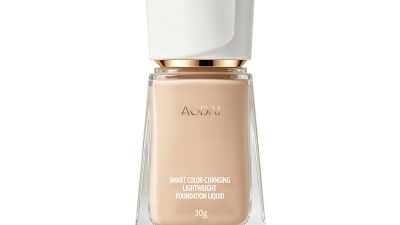
Smart Color-Changing Foundation for Unique Skin Tones: Insights from Grand View Research and McKinsey Beauty Reports

Smart color-changing foundation reflects a broader beauty-market shift toward personalization, inclusivity, and technology-led product experiences highlighted in industry analyses from Grand View Research and McKinsey. As consumers seek more flexible solutions for diverse and unique skin tones, adaptive makeup offers an alternative to choosing from a limited range of fixed shades. This innovative formula is designed to respond to the warmth of your skin, helping create a more natural-looking match with less effort.

Its advanced temperature-controlled, microcapsule-encapsulated pigment technology activates when applied. As the microcapsules respond to temperature variations across different areas of the face, they release pigment factors that adjust the appearance of the foundation for a smoother, more even finish. The formula helps blend visible differences in skin tone while maintaining a lightweight, comfortable feel suitable for everyday routines. For customers in China, reliable suppliers and experienced factories provide access to this quality beauty product, supporting consistent production and tailored solutions for different preferences.

FAQS

What makes a foundation stick different from liquid foundation?

It has a solid wax or cream base with concentrated pigments. It will not spill easily in a makeup bag. Liquid foundation spreads faster and usually feels lighter.

How much foundation stick should I use?

Start with short lines on your cheeks, forehead, nose, and chin. Use less than you expect. Add another thin layer where redness remains.

How should I prepare my skin before application?

Cleanse with lukewarm water and pat dry. Apply lightweight moisturizer around dry areas. Wait several minutes before applying makeup. Damp skin can cause sliding.

Which tool blends foundation stick best?

Clean fingers warm the formula and create a natural finish. A damp sponge softens coverage. A dense brush keeps more pigment on the skin.

How can I avoid a thick or patchy finish?

Do not drag the stick across dry patches. Press and blend outward instead. Avoid too much product around the nose. I still make this mistake sometimes.

How do I choose and check the right shade?

Test the shade along your jawline, not your hand. Check the result in natural light. Indoor lighting can hide a visible edge near the hairline.

Can foundation sticks work for dry or oily skin?

Dry skin may need moisturizer underneath. Oily skin may benefit from light powder in the center of the face. Too much powder can look heavy.

How should I keep the product clean and safe?

Keep the tube capped and clean its surface regularly. Wash reusable tools often. Do not share cosmetics. Stop using the product if burning or lasting redness appears.

Conclusion

A Foundation Stick is a solid, portable complexion product designed to provide targeted or all-over coverage with minimal mess. Unlike liquid foundation, it has a firm texture that can be applied directly to the skin, while powder foundation offers a drier finish and cream formulas may feel softer or more emollient. When choosing one, consider your skin type, preferred coverage, finish, shade match, blendability, and how easily you can carry and use it throughout the day.

Before application, cleanse and moisturize your skin, allowing skincare products to absorb fully. Apply the stick in short strokes or small areas, focusing on the center of the face or places that need more coverage. Blend with clean fingers, a sponge, or a brush, working outward for an even result. Build coverage gradually rather than applying too much at once. Finally, lightly set areas prone to shine with powder, while leaving naturally radiant areas untouched for a balanced, comfortable finish.


Emily

Emily

Emily is a dedicated marketing professional with a keen understanding of the cosmetics industry. With years of experience under her belt, she excels at communicating the innovations and competitive advantages of her company, which operates two major research and development centers. Emily's......
Previous How to Find a Lip Gloss Stick Manufacturer in 2026?